
Wyatt Earp: A True Cancer Fighter


Link copied!
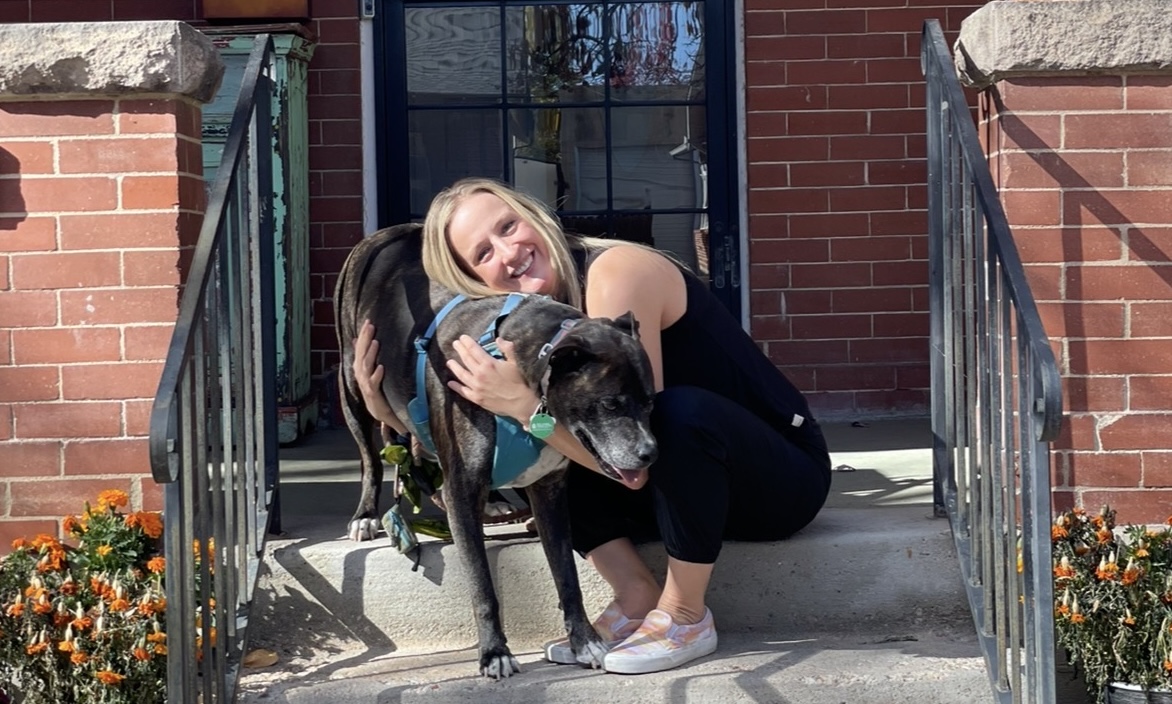
Just like in humans, cancer is one of the most common diseases pets suffer from, especially as they age. Early detection can make all the difference in the fight.
Colorado State University is home to one of the leading cancer research facilities and cancer care specialists fighting cancer on all fronts. The Veterinary Health System’s Cancer Care team within the Flint Animal Cancer Center offers a unique combination of advanced cancer diagnostic services, innovative treatment options, and compassionate care for dogs, cats, and other pets with cancer. The team includes multidisciplinary specialists, including medical, surgical, and radiation oncologists, and offers clinical trials that provide cutting-edge treatments.
Patients like cancer fighter Wyatt Earp are the reason we’re here.
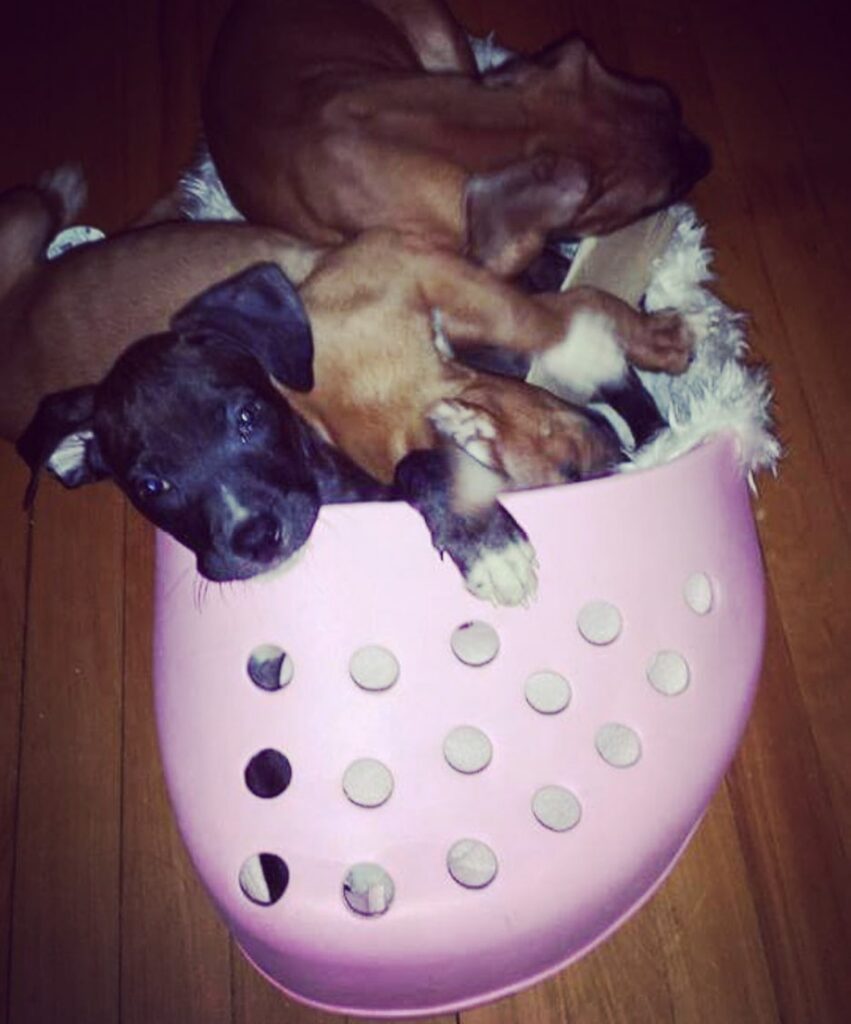
When Wyatt’s owner, Morgan, first saw his photo on an adoption website, he was the tiniest puppy in a litter of boxer-pitbull mixes, curled inside an oversized pink Croc. At just 11 weeks old, Wyatt was the smallest and sickest of his siblings, and rescuers weren’t sure he would survive.
Even as a puppy, Wyatt had a fighting spirit. Morgan adopted him on June 11, 2014. From the beginning, the two shared a special connection.
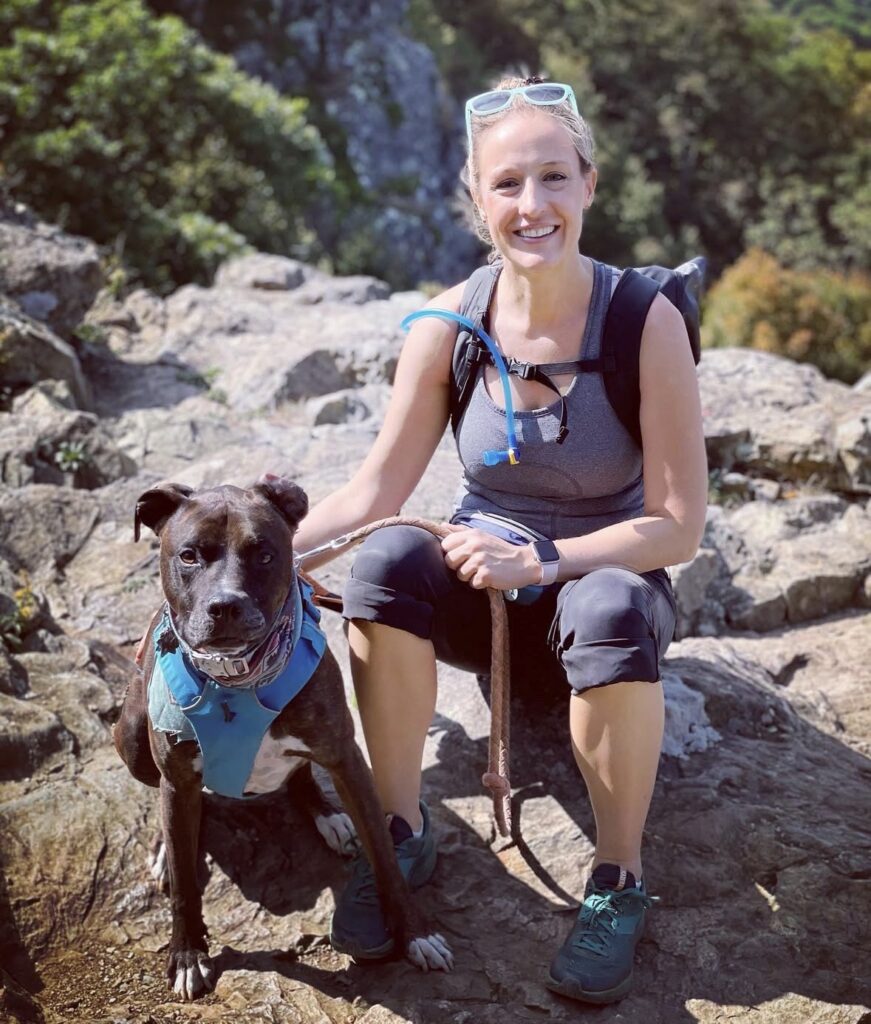
“He has always been a very sensitive, intuitive, and intelligent dog,” Morgan said. “His personality is gentle, quirky, soulful, and deeply connected to the people he trusts.”
For years, Wyatt filled his days with long walks, adventures, and the simple joys of being with his person, Morgan. The pair spent years growing up together, eventually moving back to Colorado to be near family and the mountains.
In September 2024, something changed.
Behavior Differences Can Be an Early Sign of Cancer
Wyatt began hiding under his owner’s desk while she worked, something he had never done before. He yelped when trying to jump onto the bed and developed a limp, even just walking across the room.
As Wyatt had undergone two previous knee surgeries, Morgan initially suspected another orthopedic problem. Cancer was not on her radar. However, a CT scan at their local veterinary clinic revealed a devastating diagnosis: osteosarcoma, an aggressive form of bone cancer.
Like Wyatt, many pets in the early stages of a cancer fight begin to change behavior, show signs of pain, struggle to eat, and/or become lethargic. Thanks to Morgan’s attention, she recognized that something had changed in Wyatt, which led to this diagnosis fairly early on in the disease.
For Wyatt and Morgan, the diagnosis came with difficult decisions. Amputation was initially recommended, but his owner worried that his large frame, Wobbler syndrome, and previous orthopedic surgeries would make losing a front leg especially challenging.
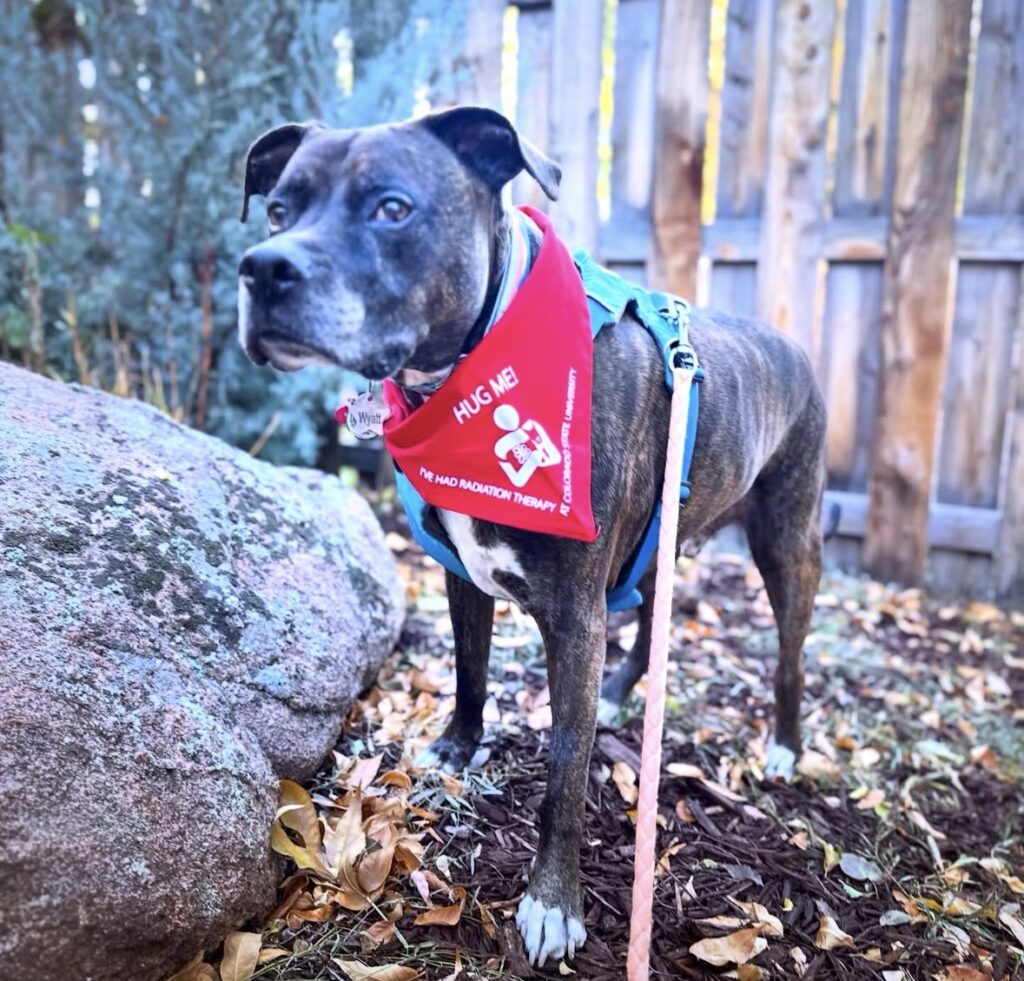
Morgan sought a second opinion from a veterinary orthopedic specialist, who encouraged her to contact Colorado State University’s Flint Animal Cancer Center.
“I was told that if I wanted Wyatt to have every possible option, I should go straight to the experts,” Morgan recalls.
Wyatt was evaluated by the cancer care team. Rather than proceeding with amputation, he was considered a candidate for radiation therapy to treat the tumor in his bone.
Wyatt began radiation on Halloween 2024, followed by six rounds of chemotherapy between November 2024 and February 2025. For the next several months, Wyatt and Morgan enjoyed a cancer-free spring, filled with hikes and time spent together.
Cutting-Edge Cancer Care
In June 2025, small nodules appeared in Wyatt’s lungs during a routine check. These findings indicated that Wyatt’s cancer was beginning to spread.
Wyatt began taking a new chemotherapy: Palladia. This is a common medication used to treat cancers in dogs. After about two months, however, he was shaky, exhausted, and uncomfortable. At this point, Morgan made the difficult decision to stop the medication and focus on his comfort.
Throughout the process, she continued to return every two months for X-rays and conversations about emerging treatments, clinical trials, and potential options for Wyatt’s recurrent cancer.
In spring 2026, a new possibility emerged. CSU upgraded its radiation therapy machine, capable of delivering highly targeted treatment directly to lung tumors – a new line of care that wasn’t available before.
Wyatt received targeted radiation for his cancerous lung nodules beginning in May. The treatment was a success, freeing his lungs of cancer!
“We first treated Wyatt for his osteosarcoma, and then a few years later, we tried a novel approach to address the growing cancer in his lungs. The second time under our care, we treated Wyatt with targeted radiation for his lung metastasis. Our team then did an additional round of whole-lung low-dose radiation in an effort to prevent any future metastatic growth. This is a novel treatment strategy that is still being explored, but we’re hopeful that it will work for others as it did for Wyatt. Wyatt’s journey has been an important opportunity to learn and advance care for future patients. His wonderful owner has been an incredible partner in his care and regularly shares updates with our team, allowing us to continue following Wyatt’s story,” says Dr. Tiffany Martin, radiation oncologist.
Living Cancer Free
Today, Wyatt continues to enjoy his morning walks, sometimes covering one to two miles, and the opportunity to experience the world at his own pace. His story is not defined by a diagnosis alone, but by the resilience he has shown, the devotion of his owner and the people who have helped them navigate an uncertain journey.
“This new chapter is only possible because of the extraordinary care Wyatt has received from the CSU oncology team: Dr. Gutwillig, Dr. Beeson, Dr. Oh, Megan, and Wyatt’s all-time BFF, Tracy (a registered veterinary technician on the Cancer Care team). You carried him through every phase, every setback, every milestone,” said Morgan.
Wyatt’s journey underscores why awareness, early evaluation, veterinary expertise, and continued research are so important.
“Caring for a creature with cancer isn’t just about medicine,” Morgan added. “It is stewardship. It is compassion. It is honoring the bond you have with a being who depends on you. Every moment of comfort you give them matters.”
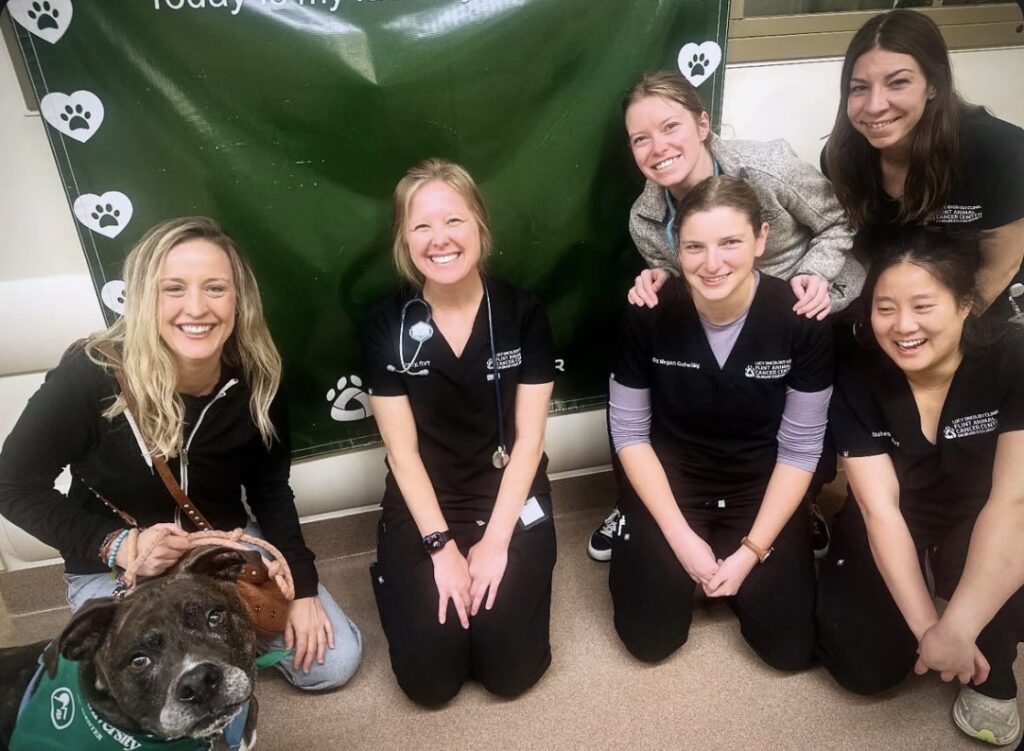
Learn about the signs of cancer, pay attention to changes in your pet, and talk with your veterinarian if something seems off. Treatment options exist, and many pets like Wyatt can go on to live a healthy, happy life following care.
The CSU Veterinary Health System and Cancer Care team are here for you and your pet. Please request an appointment if you have any concerns about your beloved animal.
“On Oct. 9, 2026, Wyatt passed his two-year survival date. That moment was a miracle and the greatest gift I could have hoped for. I know exactly why he made it here: because of you. Thank you for believing in him!” said Morgan.