
Clinical Trials

Improving care through clinical trials
Clinical trials help doctors in the medical and veterinary fields discover new ways to improve the detection, diagnosis, and treatment of illnesses, all while enhancing the quality of care each patient receives. Clinical trials are critical to our groundbreaking research, may provide access to cutting-edge care, and result in discoveries that help people and animals in the future, all while providing your pet with the highest level of personalized care.
Participate in a clinical trial
When your pet participates in a clinical trial, they help our veterinarians discover disease prevention methods and find new ways to improve detection, diagnosis, and treatment of animal illnesses.
Questions?
Contact the Veterinary Clinical Trials Office at [email protected].
Frequently asked questions
Clinical trials help us evaluate new diagnostics, treatments, or devices to better understand their safety and how well they work. We carefully design studies with strict ethical oversight and ensure you understand the trial’s purpose and any risks. Clinical trials often offer benefits, including access to cutting-edge treatments or financial incentives. All pets enrolled in clinical trials receive unparalleled care from their veterinary team, just like all other VHS patients.
When you inquire about a clinical trial, the clinical trial team will review your pet’s medical history. If they appear to be a good fit, you may be contacted to move to the screening step, which may include a review of your veterinarian’s records and an in-person visit. You will have time to review the client informed consent documents and ask questions related to participation in the trial. You will also be presented with alternatives to participating in the clinical trial. You will learn about the study requirements, including any treatments and follow-up visits that are required. You can decide not to enroll in the trial or withdraw at any time without any negative impact on the care you and your pet will receive.
All clinical trials undergo extensive review before starting, including review of any potential risks. Just as many aspects of veterinary care carry inherent risks or potential side effects, clinical trials may also have these. The care team will discuss any potential risks with you prior to enrollment.
There may be some associated costs to establish a diagnosis before clinical trial enrollment. Each study will have different associated costs and this will be outlined in the client informed consent document.
This is variable depending on the study, ranging from a single visit to lifelong follow-up.
Enrollment criteria are established for each clinical trial and may include factors such as size, breed, age, or diagnosis. These will vary for each clinical trial. Please inquire for an individual clinical trial to see if your pet may qualify.
Yes, your care team will send updates to your veterinarian regarding the care your pet receives as a part of the clinical trial.
Clinical trials news
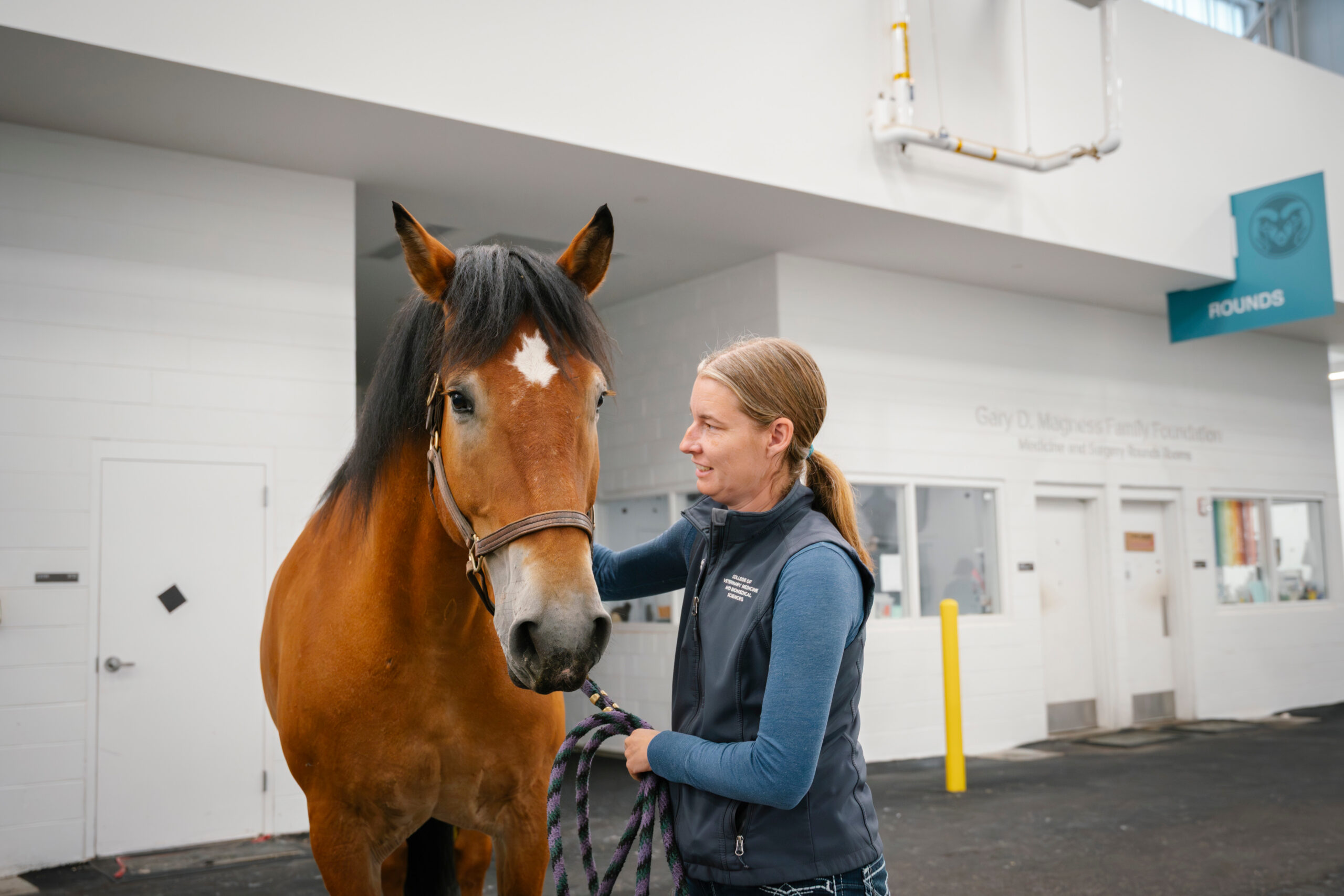
CSU clinical trial studies ketamine therapy to help horses with chronic arthritis pain
The long-term effect of ketamine on horses with chronic pain has yet to be studied. Learn more about…
Medical Advances
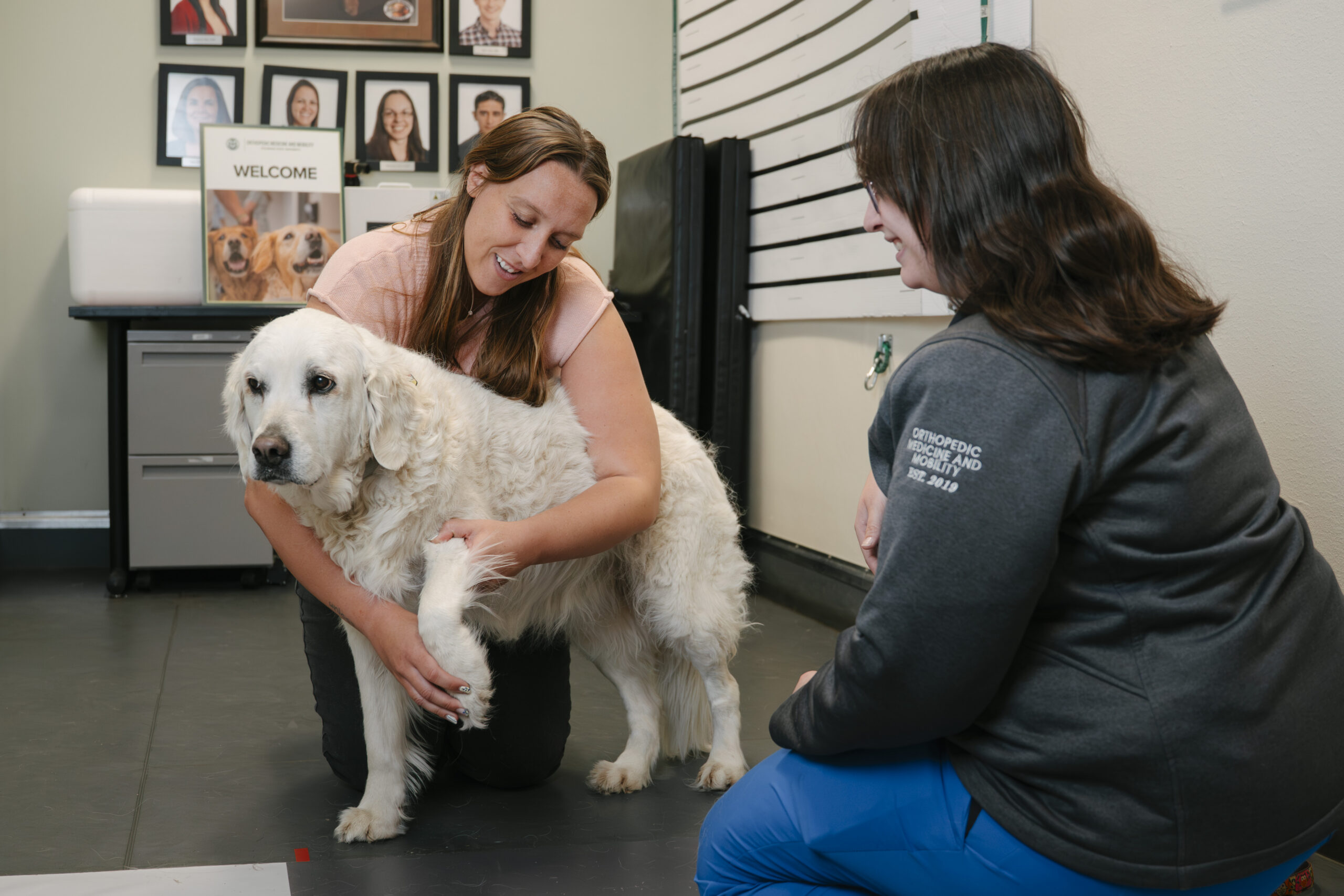
Advancing care for dogs with arthritis
After being diagnosed with elbow arthritis, Daisy's vet recommended she participate in one of CSU’…
Medical Advances
Dog days: The experience of a clinical trial for a dog and his family
Dog days: The experience of a clinical trial for a dog and his family.

Patient Stories
Dog aging project
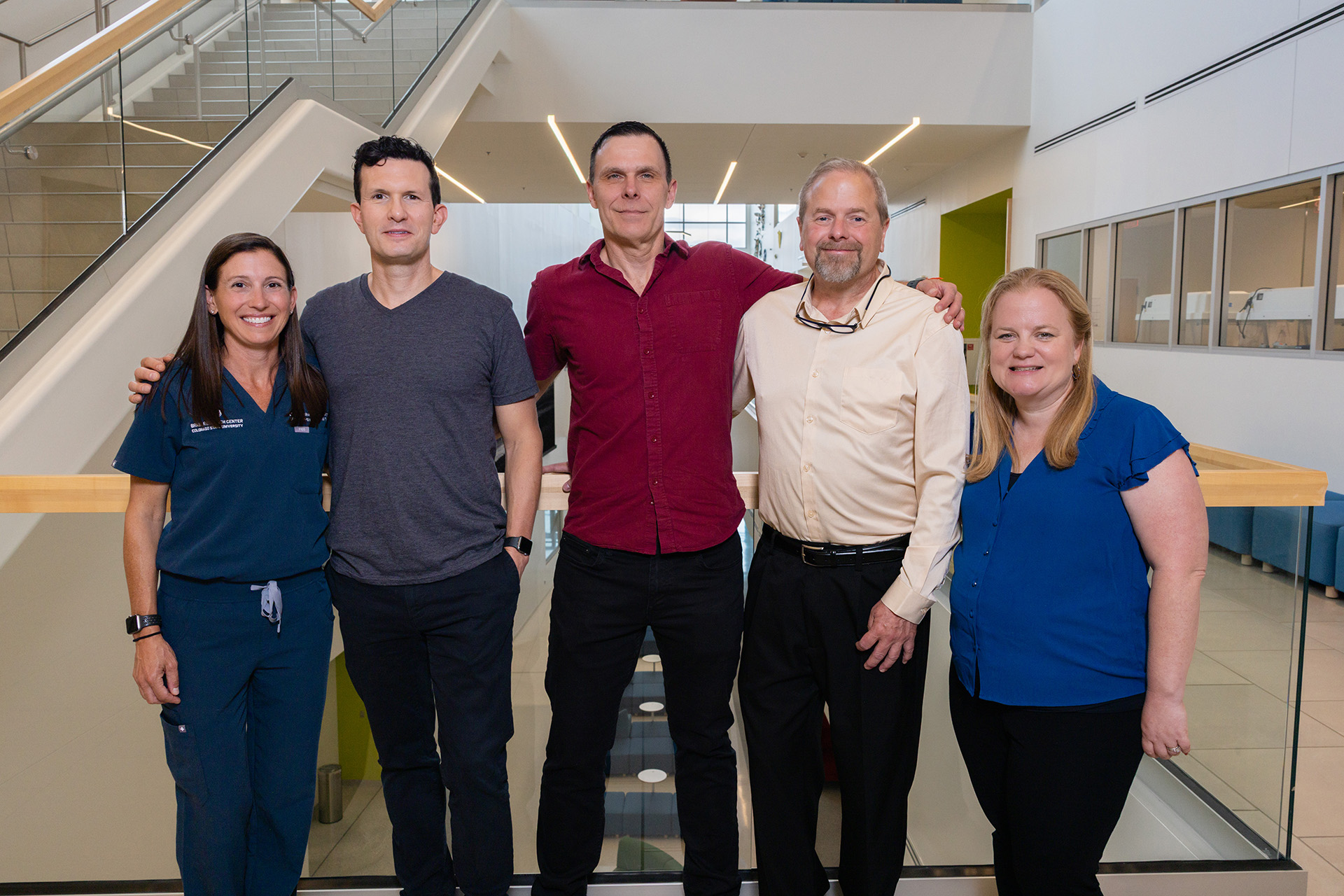
The Dog Aging Project is a scientifically rigorous approach to understand the biology of aging in co…
Medical Advances