
New World Screwworm: What you need to know
New World screwworm (NWS) are parasitic larvae from a specific fly (Cochliomyia hominivora) that lays its eggs in living tissue on warm-blooded animals, often in open wounds.


Link copied!
What is New World Screwworm?
New World screwworm (NWS) are parasitic larvae from a specific fly (Cochliomyia hominivora) that lays its eggs in living tissue on warm-blooded animals, often in open wounds. The larvae then feed on the host’s tissue, causing deepening of the wound, damage to the flesh, and sometimes death of the host if it is not detected in a timely manner. NWS can infect livestock, wildlife, pets, birds, and, rarely, people. livestock, NWS infestation can lead to production losses and economic impacts. In pets, infestation can lead to extensive and potentially life-threatening tissue damage if not treated.
NWS is not contagious and does not spread directly from animals to people or from person to person.
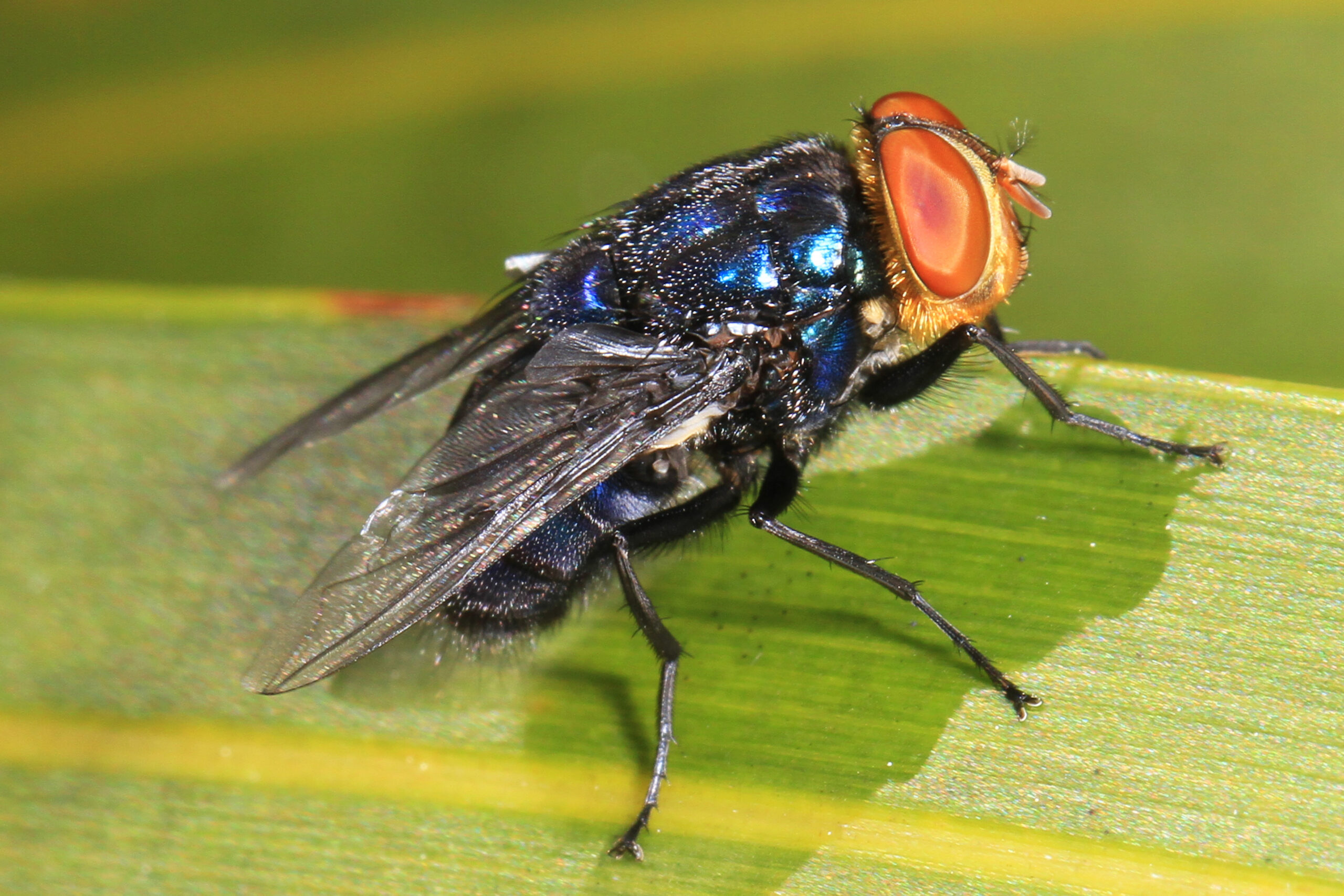
Adult screwworm flies are about the same size as or slightly larger than a common housefly and have orange eyes, a metallic blue or green body, and three dark stripes along their backs.
How is NWS detected and diagnosed?
NWS is first detected through vigilant observation and finding larvae on an animal. The larvae are then collected by a veterinarian and submitted to a parasitologist at a veterinary diagnostic laboratory for species identification of NWS. Currently, all NWS suspect samples are required to be sent to the USDA National Veterinary Services Laboratories (NVSL) in Ames, IA for confirmatory identification of NWS.
What is being done about NWS?
The United States Department of Agriculture (USDA) has been closely monitoring NWS in South and Central America since the 1960s, when it was eradicated in the United States. USDA has been conducting a program to release sterile flies (called the sterile insect technique) in the infested regions for several decades to control the NWS fly population.
The disease began progressing northward in 2024, and USDA closed the Mexican border in July 2025 to live cattle and equine imports as a precautionary measure as Mexico worked to implement control measures. In the United States, USDA, wildlife agencies, and the southern border states have been conducting surveillance for NWS since 2025 through increased livestock inspections, wildlife monitoring, and trapping flies to monitor the population. USDA has also developed a robust NWS Response Playbook to coordinate federal, state, and public health efforts in the event of NWS detection in the United States.
In Colorado, the Colorado Department of Agriculture (CDA) has been preparing for the possibility of NWS incursion into the United States. CDA has led the development of a One Health NWS Emergency Response Plan to ensure coordinated action for preparedness and response, if necessary.

The Colorado State University Veterinary Diagnostic Laboratories, has a full-service parasitology laboratory led by Dr. Ashley McGrew, a board-certified veterinary parasitologist, that routinely identifies animal parasites in livestock, pets, and wildlife. As a partner with CDA, USDA, and as a member of the National Animal Health Laboratory Network (NAHLN), CSU VDL has responded to numerous foreign animal disease outbreaks most recently highly pathogenic avian influenza and vesicular stomatitis virus. The VDL is prepared and stands ready to support the USDA and CDA’s response as needed to identify NWS.
What can livestock and pet owners do?
Fly control
Use fly/pest mitigation strategies for livestock and pets, including:
- Maintain a clean environment by frequently removing feces, spilled feed, soiled or old bedding, wet hay, etc.
- Use of insecticides, dusts, and barn treatments
- Use of physical protection measures such as fly masks, dust bags or oilers, fly traps, and dragging pastures
Vigilance
Check livestock and pets for NWS. Monitor any wounds for evidence of fly larvae infestation, excessive draining, or enlargement. Look for signs of discomfort in the animal. Inspect body openings such as the nose, ears, genitalia, and navel of newborn animals for signs of eggs or larvae.
Other suspicious signs in animals may include:
- Depression and separation from the herd
- Decreased appetite
- Animal biting or licking wounds
- Irritation and restlessness
- Decreased milk production in milk-producing animals
- Lesions in navel areas, ears, dehorning or branding sites
- Head shaking
- Unusual lethargy
- Unusual/foul odor or smell of decay
Report
NWS is a reportable disease, and any suspect case with larvae infested wounds or animals must be reported to the Colorado State Veterinarian’s Office. Contact your veterinarian if you see unusual wounds or signs of larvae infestation in your livestock or pets. To report, call CDA at 303-869-9130, submit the CDA on-line submission form at: Reportable Disease Report Online Submission Form, or contact USDA area veterinarian in charge immediately.
Contact your local Colorado Parks and Wildlife office for suspicious cases involving wildlife (obvious larvae or very large wounds).
NWS is very uncommon in people; however, if you have suspicious lesions, seek immediate medical attention.
Stay informed
CDA will post updates about the response on the NWS web page at ag.colorado.gov/NWS, and USDA will share updates at Screwworm.gov. Talk to your veterinarian if you have concerns.
What happens if my animal becomes infested with NWS?
Immediately seek veterinary care for the treatment of the animal. If detected early, animals can be treated and fully recover from infestation. Upon confirmation of NWS, an epidemiological investigation will likely be conducted by state or federal officials to better understand how the animal may have become infested.
In livestock, the Colorado Department of Agriculture will work closely with the livestock owner to help eliminate NWS within the herd and prevent further spread of NWS. Culling groups of animals will not be used for general control and eradication of NWS; however, separating affected animals from unaffected animals and temporary movement controls as directed by the State Veterinarian’s Office will be an important component of a herd management plan.
NWS is not contagious and does not spread directly from animals to people or from person to person. However, simple precautions such as washing hands and wearing gloves after touching any infested areas on animals are recommended.
NWS References
Colorado Department of Agriculture: New World Screwworm | Department of Agriculture
USDA: Screwworm.gov | Unified Government Response To Protect the United States and NWS Response Playbook
Texas A&M New World Screwworm Information Hub: New World Screwworm – Texas A&M AgriLife Extension Service