
Why your pet needs a health certificate before you travel
Everything you need to know before traveling with your pet domestically and internationally


Link copied!

A pet health certificate, also known as a certificate of veterinary inspection (CVI), is an official document completed by a United States Department of Agriculture-accredited veterinarian after examining your pet to verify that it is healthy enough for travel and meets the entry requirements of its destination.
A CVI is like your pet’s passport; it helps ensure they have everything they need before heading off on their next adventure. A CVI also helps prevent the spread of infectious diseases while ensuring pets comply with state, airline, and international travel regulations.
Depending on where your pet is going, this may include verifying vaccinations, reviewing medical history, completing required laboratory testing, or administering parasite treatments. International travel often has more stringent requirements than domestic travel because every country wants to protect its people and animals from diseases that are not currently present within their borders.

The CVI process is similar for both cats and dogs, but the specific requirements vary depending on the destination, airline, and local regulations. Both require a physical examination by a USDA-accredited veterinarian and should have a current rabies vaccination. While dogs may have additional requirements such as parasite treatments or country-specific testing, every destination has different regulations, so it’s important to verify your pet’s travel requirements well before your trip. Service animals and emotional support animals are generally subject to the same CVI and import requirements when traveling.
The Colorado State University Veterinary Health System provides pet health certificates for domestic and international travel through its Primary Care service. All veterinarians in this service are USDA accredited and authorized to issue travel certificates. Because requirements vary by destination and often involve strict timelines, advance planning is essential.
When flying domestically, plan at least one month in advance to ensure you have the proper documents.
If you are traveling by car, it is recommended to have vaccination records, a rabies certificate, and a health certificate with you.
For international travel, plan at least four months in advance.
Requirements vary by country and may include vaccines, testing, microchipping, and parasite treatments. Check directly with your airline for pet travel policies, carrier requirements, cabin vs. cargo options, as well as check-in and layover procedures.
International health certificates must be endorsed by the USDA Animal and Plant Health Inspection Service (USDA APHIS). The veterinarians at CSU will prepare the documents and send them to the USDA for final approval.
Rabies-free destinations such as Hawaii, Australia, and Japan may require six or more months of planning in advance. Some destinations require additional steps such as special lab testing and waiting periods. Review current requirements.
Driving across the U.S. border
If you’re driving across the border into Canada or Mexico with your pet, a CVI is not typically required. In most cases, you’ll need proof of a current rabies vaccination, but entry requirements can change, so it’s always best to check the destination country’s requirements.
Also be sure to review the requirements for bringing your pet back into the U.S. Dogs returning to the U.S. must meet current CDC import requirements, including being at least six months of age and having a completed CDC dog import form.
Even when a CVI isn’t required, it is recommended for traveling across state lines or international borders. It’s better to be safe than sorry and having the proper documentation can help prevent unexpected delays or travel hiccups.
How do airlines verify pet health certificates?
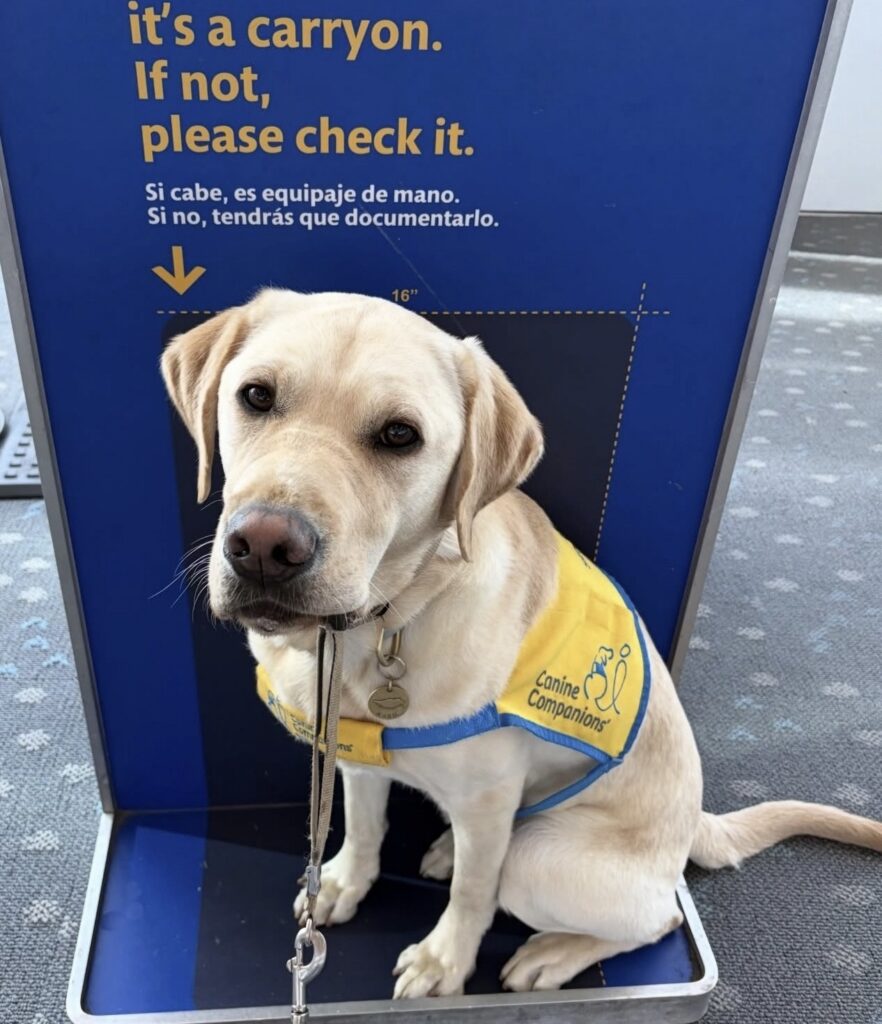
For domestic travel, airlines may review your pet’s CVI at check-in to ensure it is valid and meets their travel requirements. This may include verifying the date of the veterinary examination and vaccination records.
International travel is more involved. After your pet has been examined and the international health certificate has been completed, it often must be submitted to USDA APHIS for endorsement. This additional review verifies that all the destination country’s requirements have been met before your pet can travel. Many countries also require a microchip, which may be verified upon arrival, and some require the original USDA APHIS-endorsed certificate to accompany your pet.
Travel requirements for other pets
Rabbits, birds, reptiles, pocket pets, and other exotic animals may also need health documentation, permits, or testing before they can travel, depending on the species, airline, and destination. Even horses and livestock often need a certificate of veterinary inspection (CVI) when traveling between states or attending shows, sales, or other events.
No matter what species you’re traveling with, it’s always best to check the requirements well in advance.
Need a pet health certificate? Schedule your appointment
To get started, schedule an appointment with your veterinarian or request a certificate of veterinary inspection through the CSU Veterinary Health System’s Primary Care service and provide your destination, travel date, and airline. After scheduling an appointment at CSU, a veterinary technician will contact you to gather details and guide you through the process.
A veterinary exam is required to issue a health certificate. During your appointment, we will:
- Confirm your pet is healthy and fit for travel
- Verify required vaccinations
- Review destination-specific requirements
- Complete necessary documentation
Health certificates must be issued within a specific timeframe before traveling, depending on your destination. If you have additional questions, contact the Primary Care team via phone at (970) 297-1228 or email at [email protected].