
What to do if your dog is bitten by a snake
If your dog is bitten, move your pet away from the snake, and if you are able, carry them to limit movement and take them to your veterinarian immediately.


Link copied!
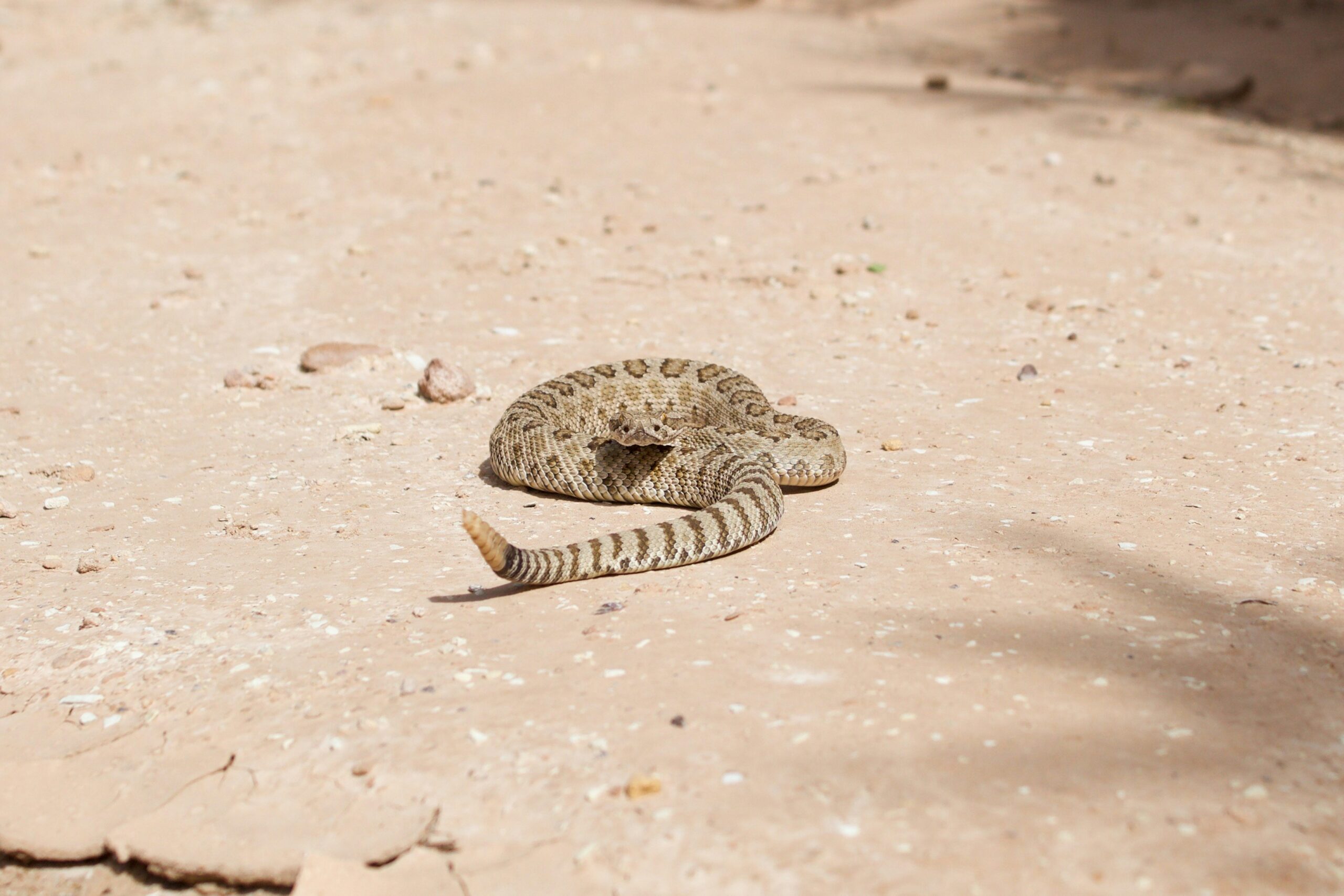
During the warmer months, the CSU Veterinary Health System emergency room sees anywhere from three to five snake bites per week. Whether you are walking your dog on trails or hiking in the foothills, be aware that snakes are common in natural areas and could pose a threat to dogs who are running off leash.
What are common signs of a snake bite?
The most common signs include swelling, bruising, and pain at the site of the bite. These signs usually show within 30 minutes, while other symptoms may take up to 24 hours to develop. It’s important to keep in mind that even if your dog is bitten, small snakes may not leave visible bite marks. Owners should be attentive to any type of swelling or severe pain your dog may experience in these environments.
Seek veterinary care right away
If your dog is bitten, move your pet away from the snake, and if you are able, carry them to limit movement and take them to your veterinarian immediately. If you can do so safely, take a photo of the snake to help your veterinarian determine the best course of action for treatment.
Owners should not attempt common internet remedies such as applying a tourniquet, cutting the wound, attempting to suck out venom, or applying ice. The most important first aid is to keep the pet as calm as possible and seek veterinary care right away.
In Colorado, rattlesnakes cause the most concerning snakebite for dogs because they are venomous and can lead to tissue damage, pain, swelling, blood clotting abnormalities, shock and in severe cases, death if left untreated. Calling your veterinary hospital ahead of time to see if they have antivenom can be a time saver.
What does treatment look like?
The severity of the bite depends on the size of the pet, location of the bite, type of snake, amount of venom injected, and how quickly veterinary care is received.
Treatment options can vary depending on whether the snake is venomous. Most of the snakebites that occur in Colorado are rattlesnakes, and treatment may include pain management, intravenous fluids, monitoring blood clotting parameters, wound care, and administration of antivenom when indicated.
Treatment for nonvenomous snakes is mostly focused on wound management, pain control, and close monitoring to watch for infections and further complications.
Dogs bitten by rattlesnakes often make a full recovery when they receive prompt veterinary care. While a snake encounter can be any pet owner’s nightmare, immediate veterinary attention gives your pet the best chance of healing properly.