

Common questions about rabies diagnosis and prevention
Rabies remains one of the world’s deadliest zoonotic diseases, yet it is also one of the most preventable. Understanding more about the virus is key to prevention.
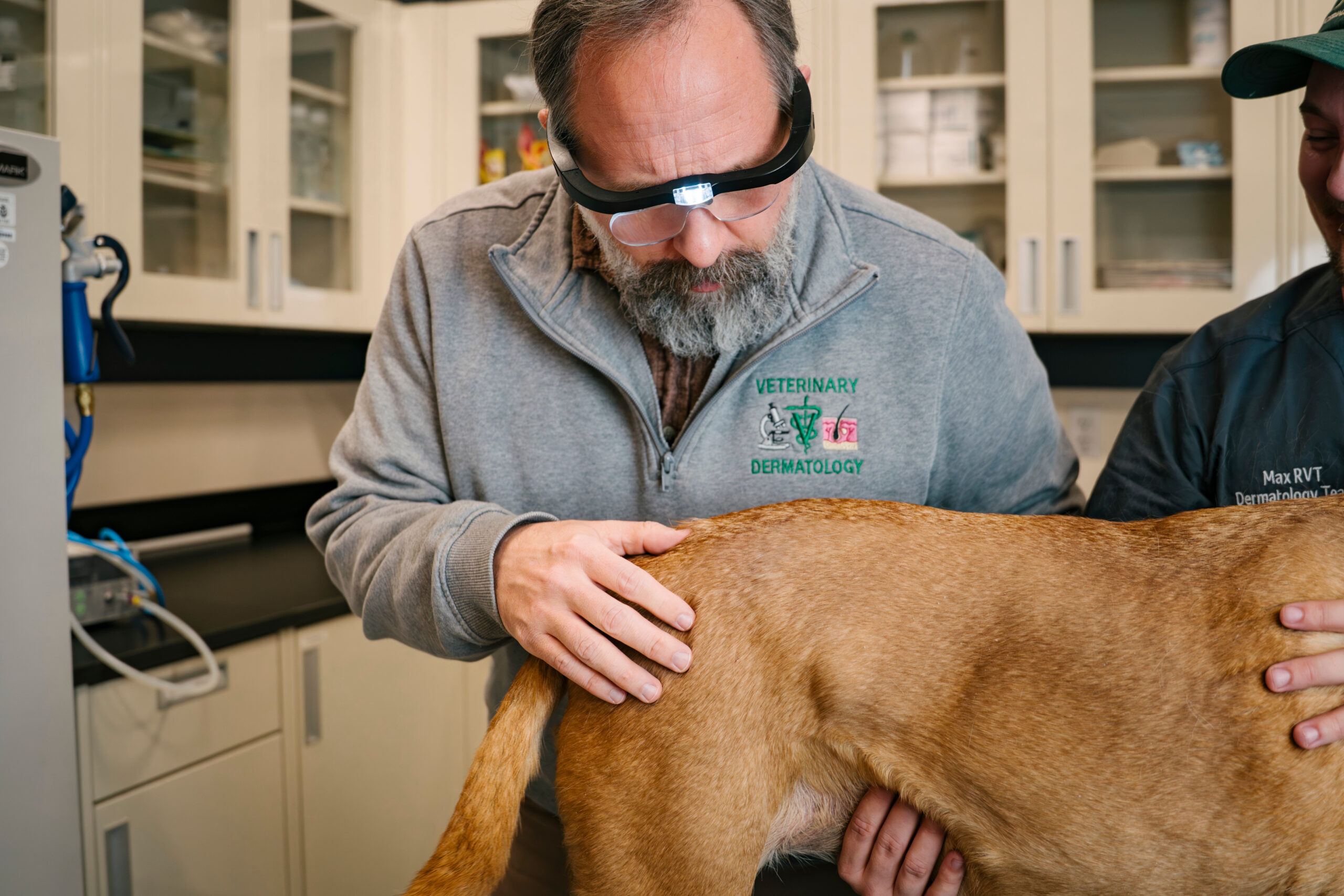
Allergies might be the reason your pet won’t stop itching
Four out of five itchy pets are reacting to something in their environment; CSU’s dermatology veterinary technician explains why your pet won’t stop itching.
Veterinary insights from: Cassidy Clendenning, VHS Dermatology Veterinary Technician

How poor air quality can impact dogs
Our doctors are adapting the Air Quality Index so that pet owners can more easily understand how poor air quality impacts animal health and know what to do to keep everyone safe.

Why your pet needs a health certificate before you travel
Everything you need to know before traveling with your pet domestically and internationally

What to do if your dog is bitten by a snake
If your dog is bitten, move your pet away from the snake, and if you are able, carry them to limit movement and take them to your veterinarian immediately.

National Puppy Day is March 23. Here are 10 ways to care for your puppy
Dr. Andrew Ciccolini is medical director of Primary Care at Colorado State University’s Veterinary Hospital and Education Complex, shares some tips for National Puppy Day.

When to use – and when not to use – antibiotics in veterinary dentistry
When it comes to antibiotic resistance in veterinary medicine, both veterinarians and pet owners play an important role in helping prevent it. It is not always easy to know when antibiotics are needed, so our dentistry and oral surgery team created simple, practical guidelines you can rely on. These recommendations are designed to support you, […]
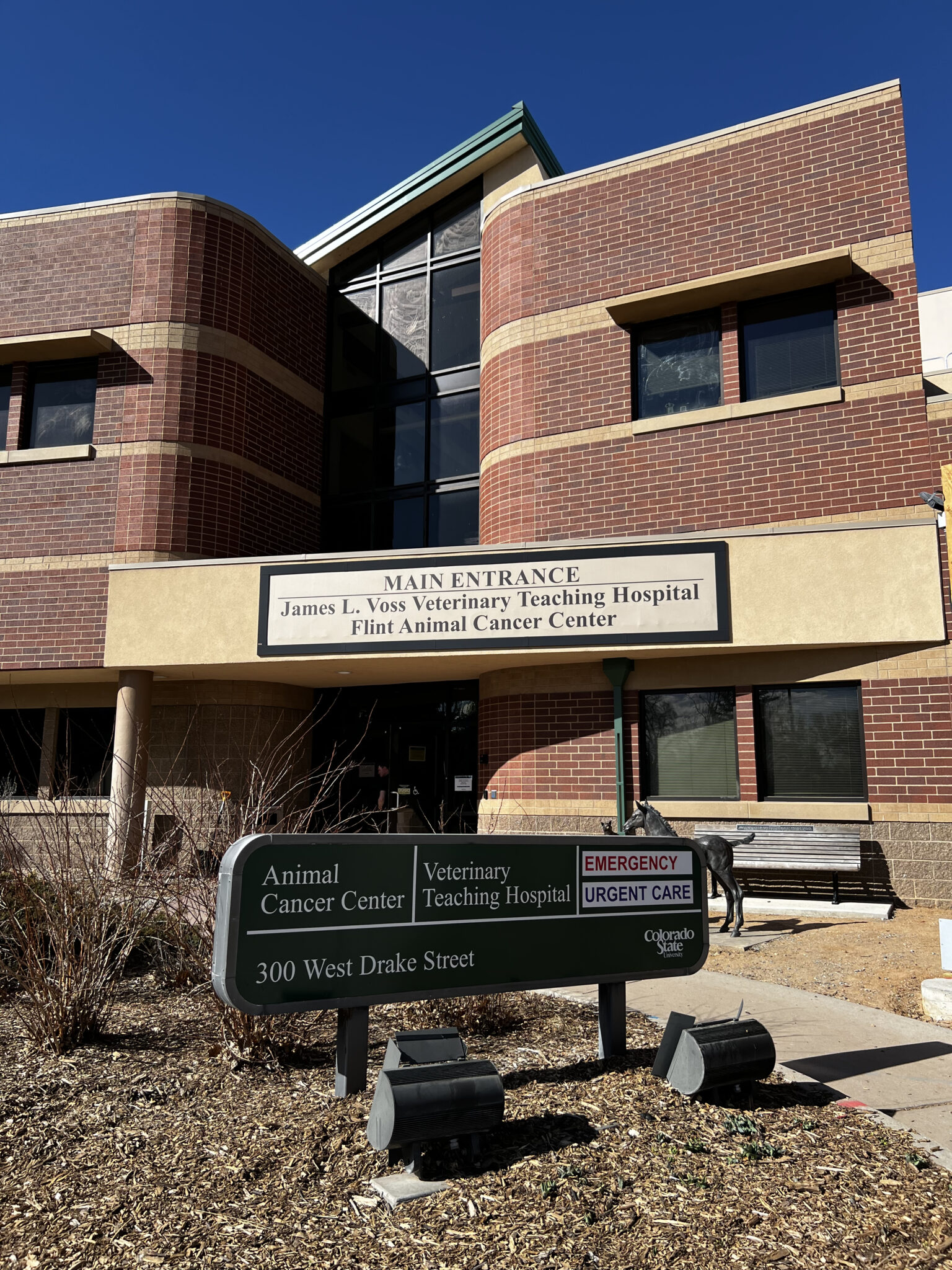
CBS News: Colorado vets share what pets can, and can’t, enjoy at holiday meals
Veterinarians in Colorado are warning pet owners to watch what their furry friends eat during the holidays, as many popular foods and plants can poison them. Colorado State University Veterinary Teaching Hospital shared a message for pet owners on Thanksgiving, and encouraged anyone whose animals may have made “questionable holiday snack decisions” to contact them.

Schedule an oral exam every year to help your dog prevent dental disease
Periodontal disease – a form of dental disease – is the most commonly diagnosed disease in dogs and cats, and it’s preventable. It can be difficult for pet owners to notice signs of dental disease until it’s very severe, which is why it’s important to take your dog to the vet for an oral exam […]

How to prep for an emergency with a pet evacuation kit
While you can’t exactly pencil an emergency or disaster into your calendar, you can take steps to prepare for these types of situations as much as possible before they occur. When you create a disaster plan for your family, including collecting and storing evacuation supplies, make sure you think about your pets, too. Creating a […]
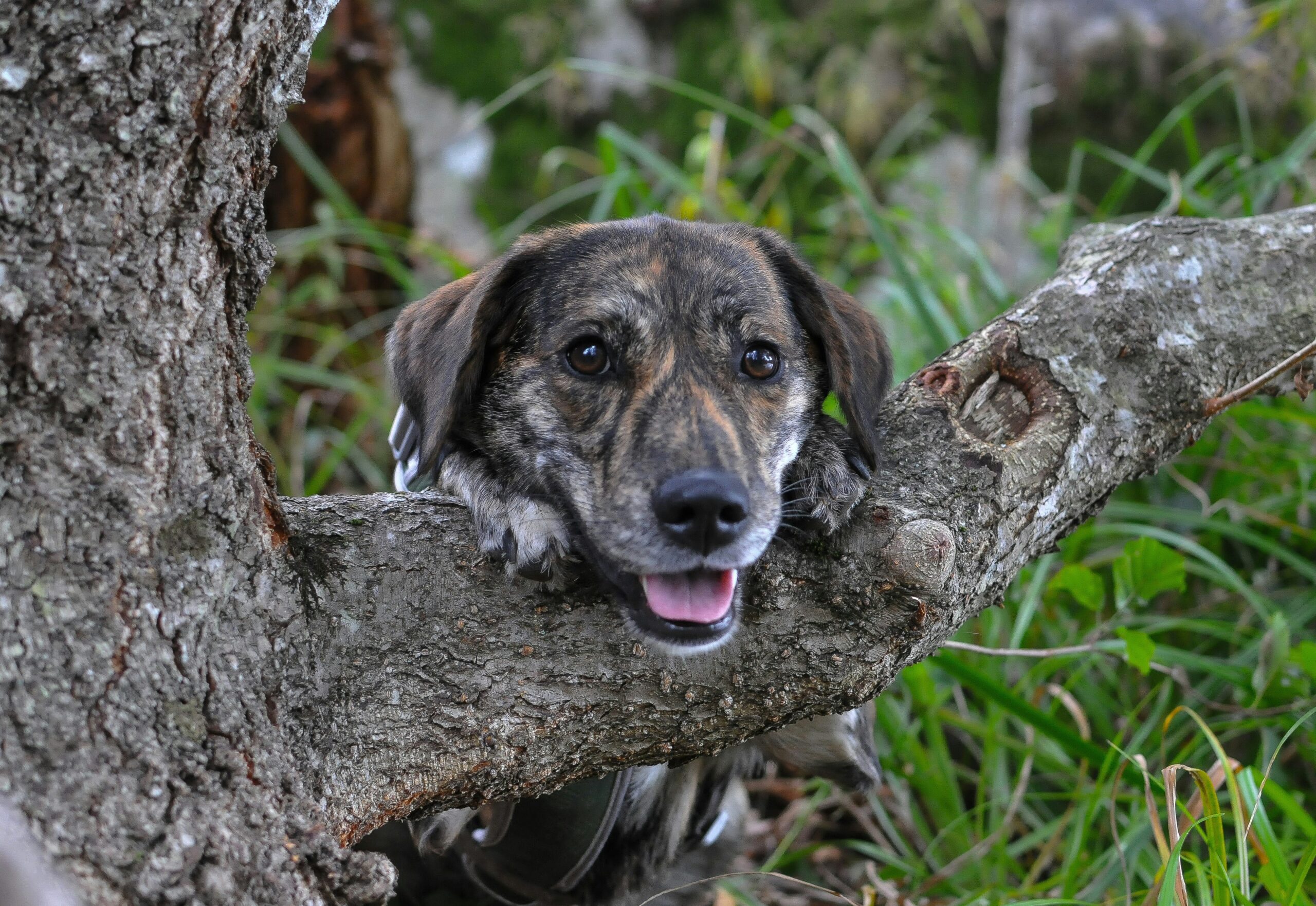
Heartworm disease on the rise in Northern Colorado: What pet owners need to know
As spring settles in and outdoor activity picks up, there’s another seasonal shift to be aware of: mosquito season—and with it, an increased risk of heartworm disease. Recent trends show a growing number of heartworm cases in Northern Colorado, including Fort Collins and surrounding areas. This rise in cases highlights a crucial reminder for pet […]
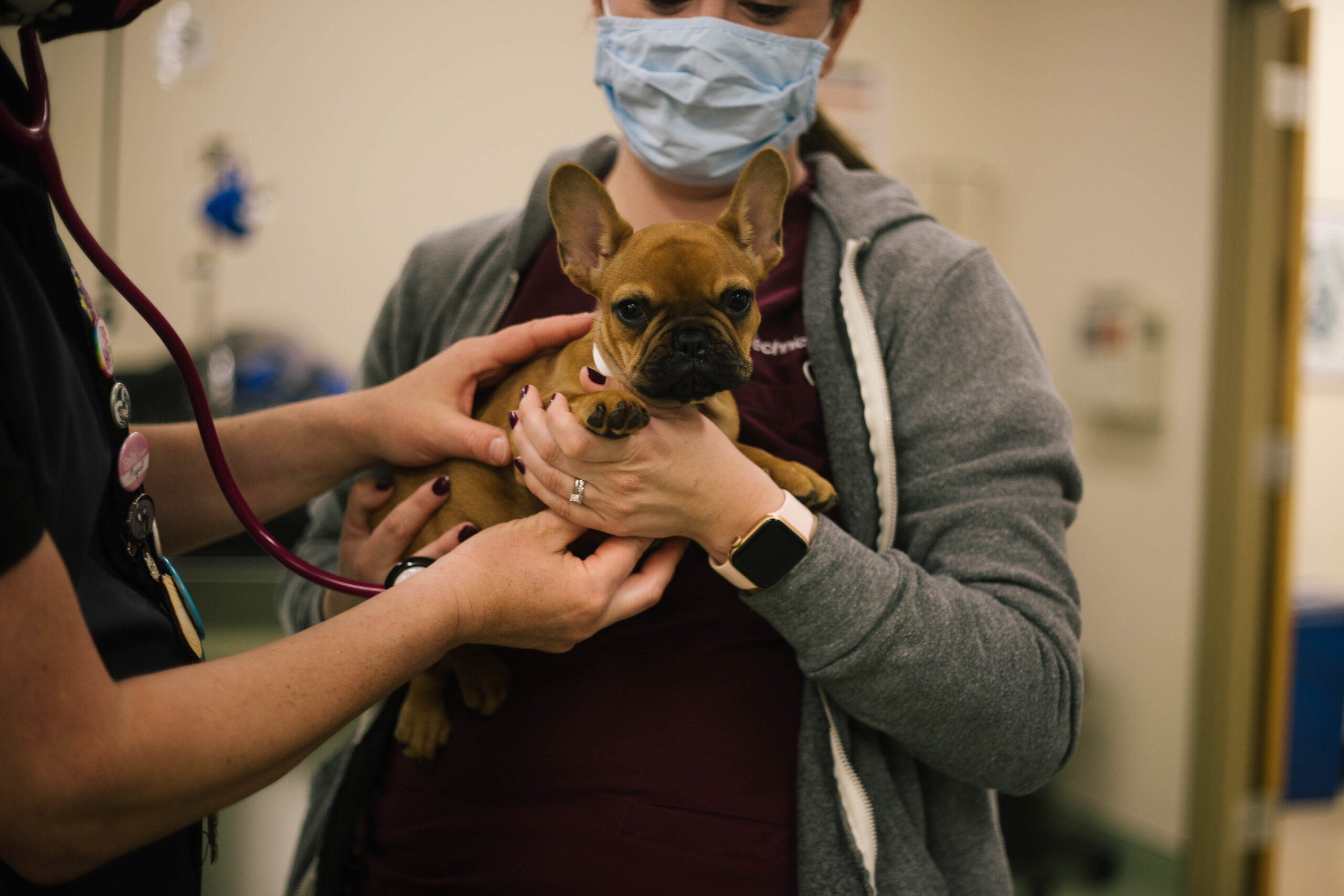
What is cleft palate in dogs and cats?
Congenital cleft palates are a developmental abnormality where the two halves of the skull don’t fuse properly, leading to a defect in the middle of the skull.

When should I take my pet to the dentist?
By partnering with your primary care veterinarian, experts in the Small Animal Dentistry and Oral Surgery service at the CSU Veterinary Health System can provide comprehensive care to your dog or cat.

Tips to keep your pets safe during the holidays
Dr. Amanda Cavanagh, an assistant professor of small animal emergency and critical care and head of CSU’s Emergency and Urgent Care Service, shares tips to keep pets safe during the holidays.
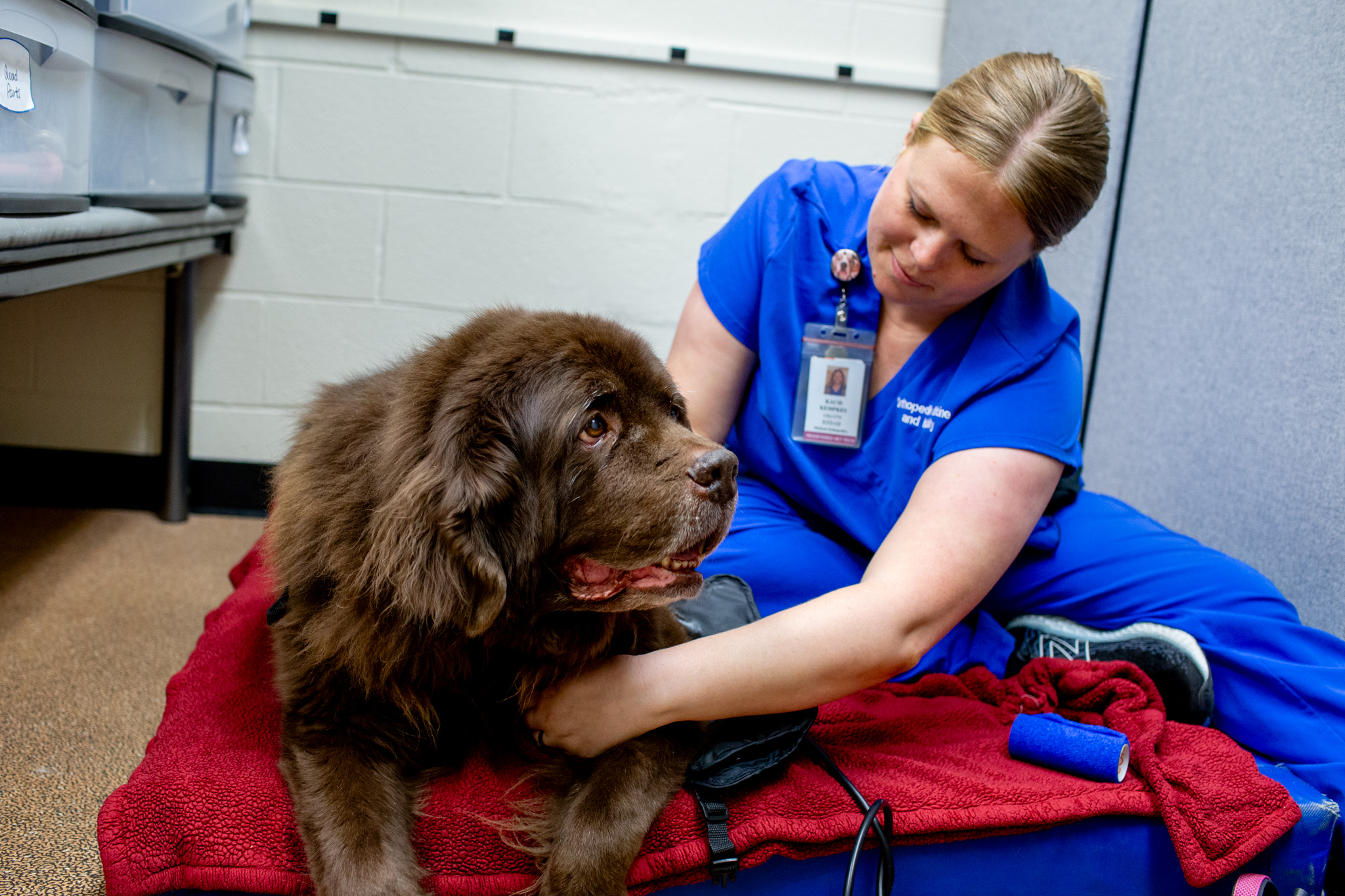
A comprehensive approach to improving mobility for pets
When a pet begins to have mobility problems, it can often feel frustrating and frightening. Common mobility limitations include difficulty getting up from the floor, refusing to go up steps, and limited ability to walk with the family. To alleviate concerns, pet owners may consider working with the CSU Orthopedic Medicine and Mobility service to […]