
How can I tell if my horse is in pain?


Link copied!
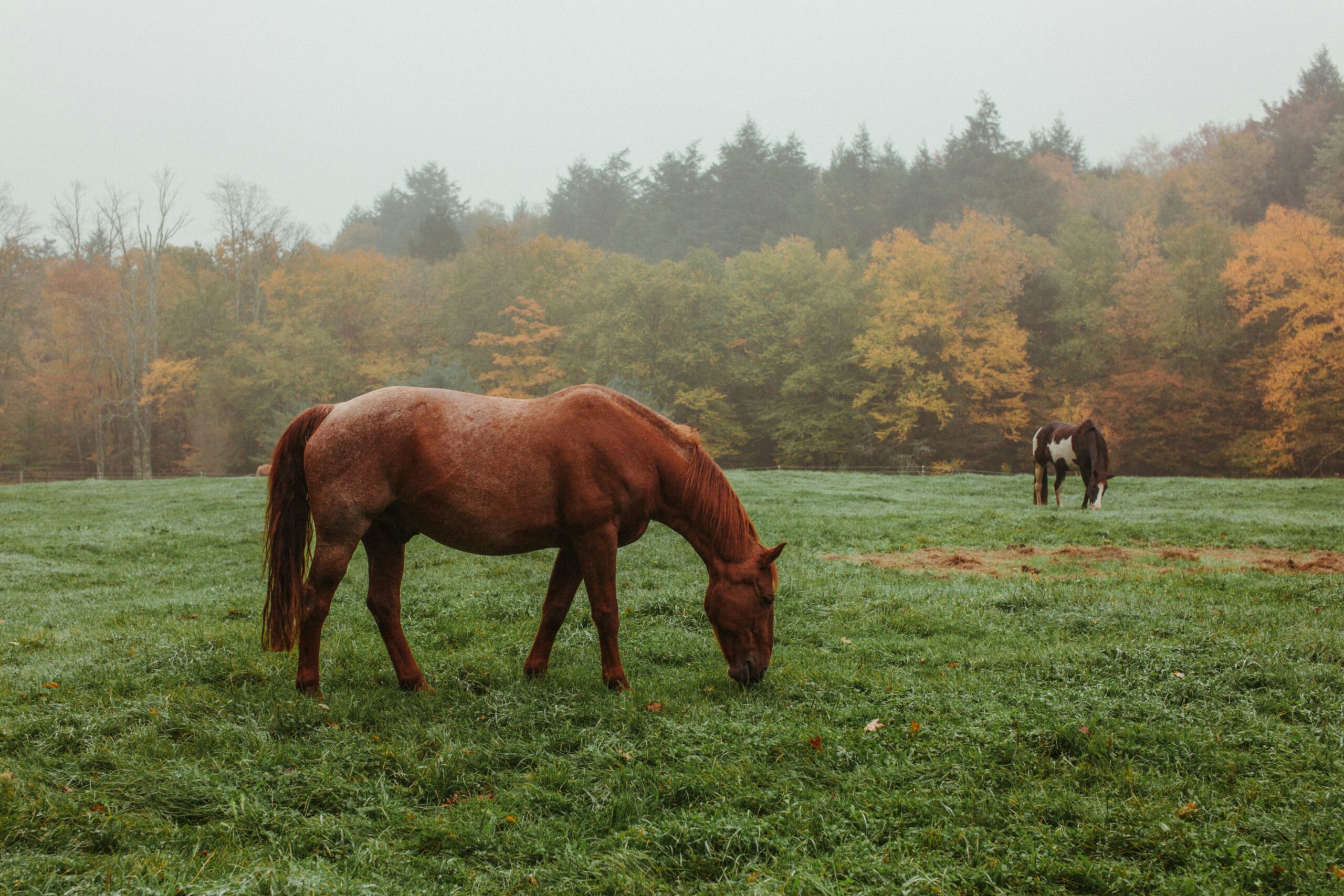
Sometimes it is a nagging gut feeling – you’re not quite sure what, but you know that something is wrong. At the end of the day, you are the one who knows your horse best and if you think something is off, there’s a good chance it might be. By nature, horses are adept at hiding signs of discomfort. Showing weaknesses makes them stand out as a target for predators, so behaviors associated with pain can sometimes be extremely subtle and challenging to recognize.
A horse’s individual personality also dictates the ease with which we as equine caregivers recognize problems, with some horses remaining stoic despite severe pain and others willing to demonstrate discomfort earlier and in more obvious ways. Arguably, the stoic horse offers the biggest challenge. However, whichever personality group your horse falls into, pain is often associated with a departure from your horse’s normal behaviors or routines.
Recognizing acute pain
Acute (immediate or sudden) pain, such as that which occurs as a result of an injury or colic is often more obvious because it can be severe and cause dramatic changes in behavior: unwillingness to move or bear weight on an injured leg, complete lack of appetite, sweating, muscle tremors or shaking, pawing and agitation, violent rolling, or inability to rise.
That said, sometimes horses with even severe acute pain can appear relatively calm. This is particularly true of older horses. A classic example of this is that an aged horse experiencing colic may simply stand still or lie down quietly rather than roll or paw. To make matters more difficult, horses will often hide or diminish pain behaviors in the presence of observers, which can lead us to underestimate the severity of the situation.
Signs of chronic pain
Chronic or long-term pain, often less severe than acute pain but persistently present, is harder to recognize and manage. Chronic pain can develop and worsen slowly over months to even years, and increased understanding of pain behaviors in horses has led to increased recognition of chronic pain, but it remains a challenge in veterinary practice. A persistent lameness or change in gait used to be the telltale sign of a chronic problem; however, as veterinary research, advanced imaging, and a stronger understanding and appreciation for the subtleties of equine pain have emerged, it has become clear that there are a number of behavior changes indicative of pain in horses that don’t involve a classic limp.
Domestic horses are generally agreeable and willing animals who will do what we ask them to despite discomfort. At first, no behavioral changes may be obvious, but as pain worsens or certain activities aggravate pain, horses will show more behaviors more frequently or escalate the severity of the behaviors. Just like humans with chronic pain experience, some days the pain may be better or worse than others for no obvious reason, and this can explain additional changes in your horse’s behavior. The following is not an exhaustive list, but can be signs of chronic pain in horses:
- Reduced performance: e.g., missing a barrel, stopping at fences, slower times in speed events
- Irritability in lead-up behaviors: e.g., intolerance for standing in crossties, grooming, or tacking up for a ride because of anticipation of painful activity
- Ear pinning, head shaking, tail swishing, or bucking while exercising
- Decreased willingness to interact, including isolation from equine or human companions
- “Pain face”: Tension in the facial muscles, nostril flare, ears pointed backwards
- Avoidance of difficult terrain or surfaces
- Appetite disturbances, weight loss, loss of condition or muscle tone
- Changes in the frequency of lying down or rolling: e.g., lying down more often or not lying down at all
The ability to diagnose painful conditions has improved dramatically with both the recognition of chronic disease processes and the advent of advanced diagnostic techniques. However, that does not always mean that a definitive cause can always be found in our equine patients. When in doubt, when a horse doesn’t seem normal, we should make our best effort to locate a source of pain, provide the most appropriate treatment, and assess the response to the intervention.
Over the last ten to fifteen years, many new diagnostics and treatments have been developed to keep horses living and performing in optimum comfort. Much of this is thanks to an increased recognition of the diverse and sometimes subtle ways in which horses tell us something is wrong without ever saying a word.
If you think your horse is in pain and may need treatment, contact CSU Equine Services at (970) 297-5000, option 3, to schedule an appointment.