
What to expect when your horse is in the hospital
Knowing how to prepare for your horse’s stay can help make their time at the Johnson Family Equine Hospital as smooth as possible.
Share:


Link copied!
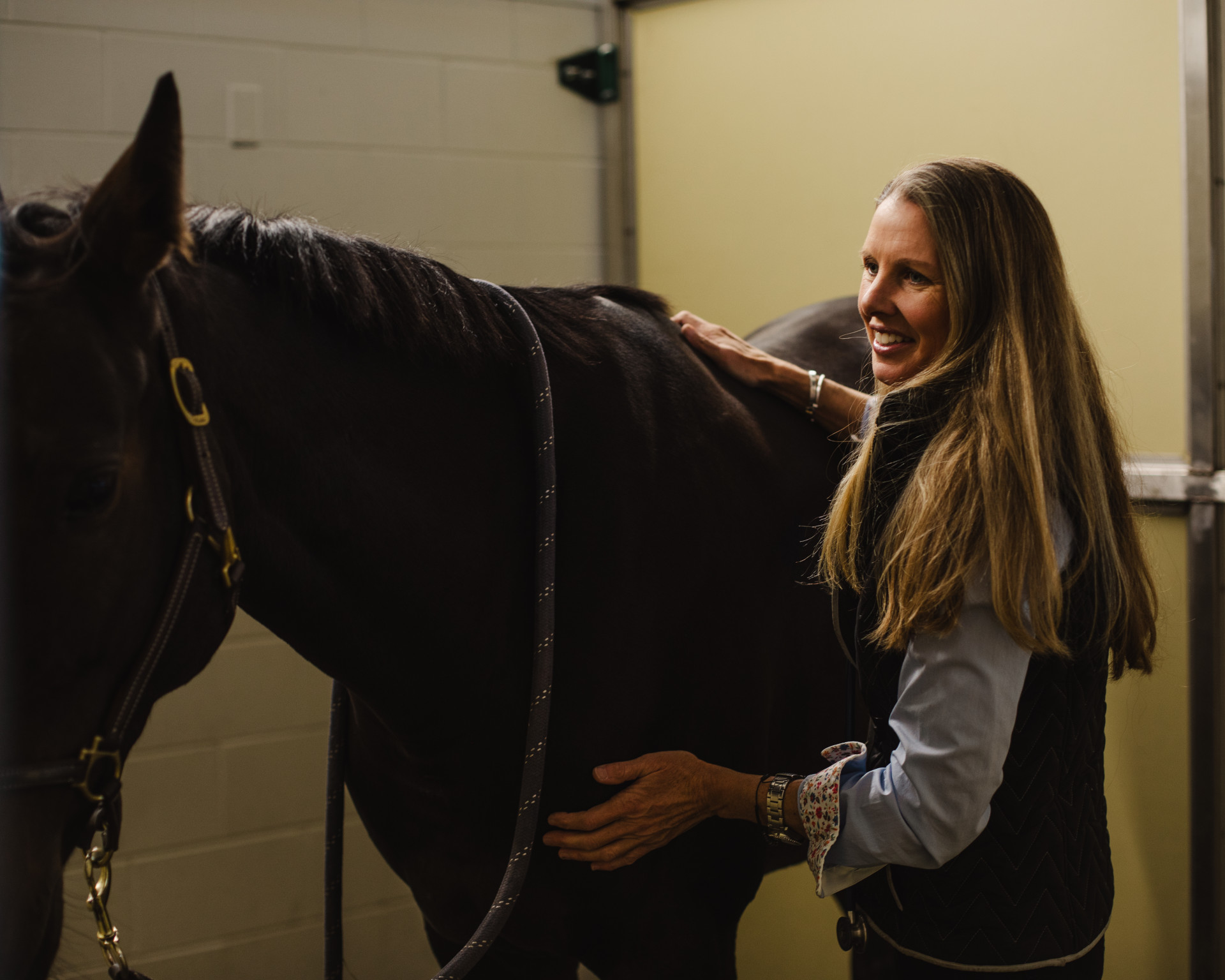
Hospitalization can be an intimidating experience for any animal owner, but knowing how to prepare for your horse’s stay can help make their time at the Johnson Family Equine Hospital as smooth as possible. While they’re with us, they’ll have access to advanced technology and equipment, and our team of highly trained, board-certified specialists – they’re in good hands.
Here are 15 tips to help you prepare for – and keep your mind at ease – when your horse is hospitalized:
- Bring your horse’s normal feed information
Tell the care team what your horse normally eats, including hay type, grain, supplements, and approximate amounts. Sudden diet changes can be hard on horses.
- Bring a medication list
Have the medication name, dose, frequency, and when the last dose was given. Let the team know about allergies or previous medication reactions.
- Share your horse’s quirks
Does your horse kick, bite, pull back, hate needles, panic in stocks, or need a buddy? Also tell us what helps calm them. This information keeps everyone safer.
- Leave important belongings at home
Unless the hospital specifically requests them, avoid leaving expensive blankets, halters, lead ropes, buckets, or other equipment. Hospital equipment is usually provided.
- Make sure your contact information is current
Provide the best phone number for medical updates and emergencies. If someone else can make decisions when you’re unavailable, provide their information too.
- Ask how and when you’ll receive updates
Hospitals can be extremely busy, especially with emergencies. Our team will provide updates, but you can also ask us for a contact name and approximately when you should expect to hear from us.
- Understand the treatment plan and estimate
It’s completely appropriate to ask what treatments are recommended, what the goals are, what alternatives exist, and what costs you may expect.
- Know that plans can change
Horses can improve – or develop new concerns – quickly. Diagnostics, medications, feeding plans, procedures, and discharge dates may change based on how your horse responds.
- Ask before visiting
Visitation policies may depend on your horse’s condition, biosecurity precautions, procedures, or hospital activity. Call before making the trip.
- Respect biosecurity precautions
If your horse is in isolation, follow instructions regarding gowns, gloves, footwear, handwashing, and where you’re allowed to go.
- Don’t be afraid to ask questions
We welcome questions and are happy to explain anything that may be confusing.
- Prepare for discharge before you arrive
When preparing to bring your animal home, your veterinarian may recommend that you prepare in advance by filling prescriptions, purchasing bandaging supplies, or making arrangements for stall rest, special feed, transportation accommodations, or a follow-up appointment.
- Take notes at discharge
In addition to the dismissal instructions you receive from our team, it might be helpful to take notes about medications, feeding, exercise, bandage care, incision monitoring, and warning signs. There’s often a lot of information. Also feel free to ask questions.
- Know when to call after your horse goes home
Make sure you know which signs warrant a phone call and whom to contact during regular hours versus after hours.
- Your horse has a whole team
During hospitalization, your horse may be cared for by veterinarians, residents/interns, veterinary technicians, veterinary assistants, students, and other specialists. A lot happens behind the scenes 24/7 to keep hospitalized horses comfortable, monitored, and cared for.
If you need to get a hold of us while your horse is hospitalized, call the equine services team at (970) 297-5000, option 3.