
Equine Reproduction Laboratory delivers future talent
Pioneering techniques such as semen freezing and embryo transfer have originated from the renowned Equine Reproduction Laboratory, where a dedicated team works tirelessly to support successful foaling seasons and advance the science of equine reproduction.


Link copied!
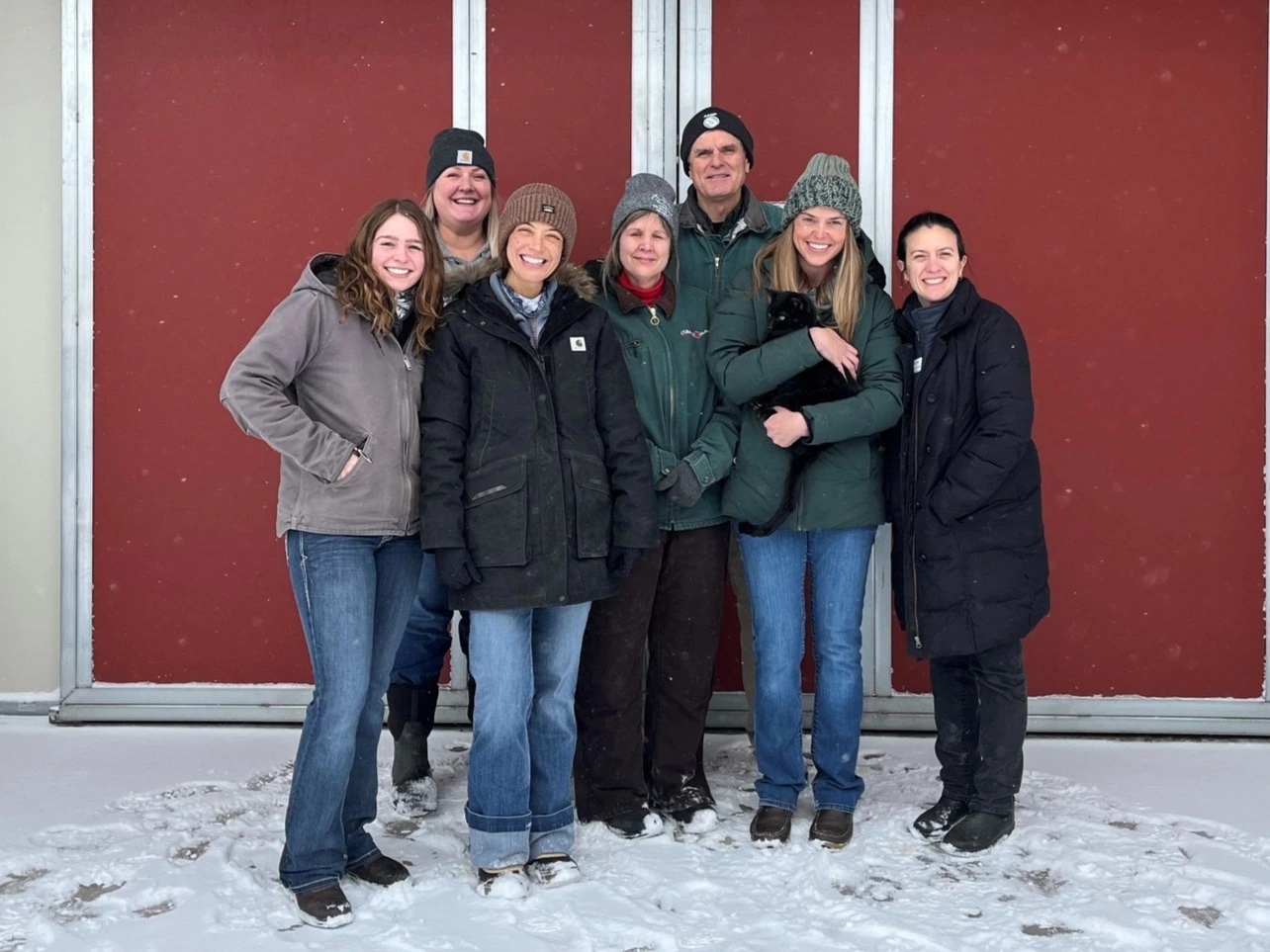
Way out west on CSU’s Foothills Campus in Fort Collins stands the Equine Reproduction Laboratory. Since its founding in 1967, the lab’s veterinarians/scientists continue to lead the field of equine theriogenology through research, teaching, and service.
Multiple techniques used today in equine reproduction were pioneered at the laboratory, including semen freezing and cooling, embryo transfer, and other reproductive procedures, including intracytoplasmic sperm injection (ICSI) and advanced methods of semen and embryo preservation.
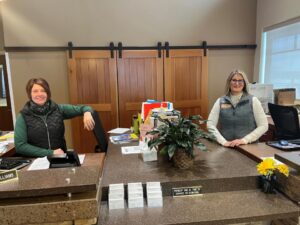
“We’re on the forefront of advancements in equine reproduction,” said ERL Office Manager and Client Coordinator Lindsay Bass. “Clients come to the ERL for more simple techniques of breeding their mare to carry her own pregnancy, semen collection and freezing all the way to requesting techniques like embryo transfer or ICSI – producing an embryo under a microscope with a single egg and sperm cell.”
In addition to Bass, the ERL team includes faculty Dr. Jennifer Hatzel, Dr. Jenny Sones, and Dr. Pat McCue; residents Dr. Marta Cittone, Dr. Patricio Razquin, and Dr. Brittany Middlebrooks; research associates Madeline Batchelor, Paula Moffett, Brittany Palmer, Jordan Shelton, and JoAnne Stokes; farm manager David Henckler and animal care team Jimmy Pucket, Zoe Richardson Dailey and Ralph Antillon; business manager Kay Gallatin; client coordinator DeShane Williams; and Harper Carbone, Adriana Carlo, Isabella Faulkner, Alyssa Garrison, and Montserrat Martinez Najera, all breeding farm interns from universities across the country. Team members have specific responsibilities, but they all work together to support one another, especially during foaling season.
Future talent
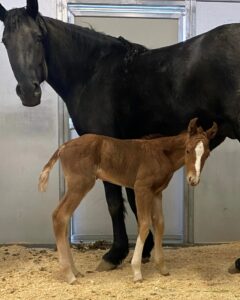
From late January to June is foaling season at ERL. March, April, and May are the busiest months. On average, the ERL will assist approximately 65 pregnant mares each year. If the stars align, they might deliver three foals in a single night! This year, they’ve already welcomed ten beautiful babies.
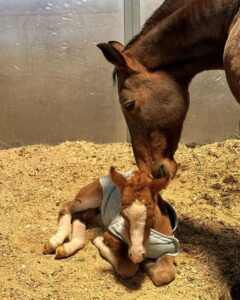
“Foaling season is probably one of the biggest highlights for everybody here,” said Bass. “Everyone loves to watch the miracle of birth. To see a mare give birth to a happy and healthy foal, observe that foal stand up and take those first wobbly steps, and go from wobbly steps to running back and forth in their stall.”
With the joy of new life also comes long days and the need to be ready at any time. Using technology, the team closely monitors the mares for imminent signs of foaling. Because delivery is unpredictable, it takes a team to be prepared 24/7.
“Most foals are born in the middle of the night while everyone sleeps,” said Bass.
Professional veterinary students enrolled in the foaling management course and undergraduate equine science students provide invaluable support for overnight watch and care. Students offer extra sets of eyes and ears while gaining valuable hands-on experience. Most students will follow a couple of mares throughout the semester.
“They are assigned a pregnant mare and work with one of our clinicians or house officers on that case before her foaling,” said Bass. “We have many pre-foaling diagnostics that are used to predict when the mare is going to foal. Students will hopefully rush to the ERL when they receive the call that their mare is in labor and join one of our onsite overnight technicians or breeding farm interns for the foaling.”
Behind the birth of every healthy foal at the ERL is almost year-long process to initiate and support a successful pregnancy. (The average gestation length of the mare is 340 days or 11 months; some mares may go 1-2 weeks before or after that date.) From client coordinators who initiate conversations to help understand the owner’s goals to the stallion services team to research associates, residents, and expert faculty, it takes a coordinated team to reach foaling season.
For Bass, it’s especially meaningful when a foal is born from a mare who hasn’t completed a prior pregnancy or when a surrogate mare delivers a baby following the tragic loss of the donor mare, allowing the owner to extend their genetic line.
VHS partners
Despite their Foothills location (really, it’s only a few miles away), the ERL team works closely with the JFEH, primarily with Equine Internal Medicine and Equine Emergency and Critical Care teams.
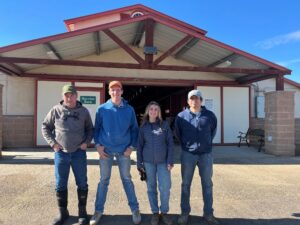
“We have to work hand in hand on some of our neonates when something is beyond the level of care we can provide,” said Bass. “We refer those challenging cases to our friends at the JFEH and put them into their expert hands.”
Communication with the JFEH team is particularly critical when a birth isn’t going as planned. Before each foaling season, the ERL team meets with JFEH faculty, house officers, and technicians to review plans for troubled births or dystocia.
“When a dystocia happens, it’s an ‘all hands on deck situation,’” said Bass. “The theriogenology service, anesthesia, ECC, and medicine teams are all working on the client’s mare to achieve a live birth and keep the mare happy and healthy as well.”
#Goals
The ultimate goal for the ERL team during foaling season is the successful birth of healthy foals.
“We take great pride in seeing foals arrive, and a few days later, when they are turned out into the field, playing with their mom or their neighbor, it means that we have been successful.”
The ERL’s expertise, compassion, and focus on service excellence translate to long-standing relationships with clients.
“This is my eleventh season, and clients keep coming back because of the wonderful community feel and the people they get to work with,” said Bass. “I love connecting with our amazing clients and seeing the joy on their faces when we reach their goals. And hopefully, that means we will see them again next year.”
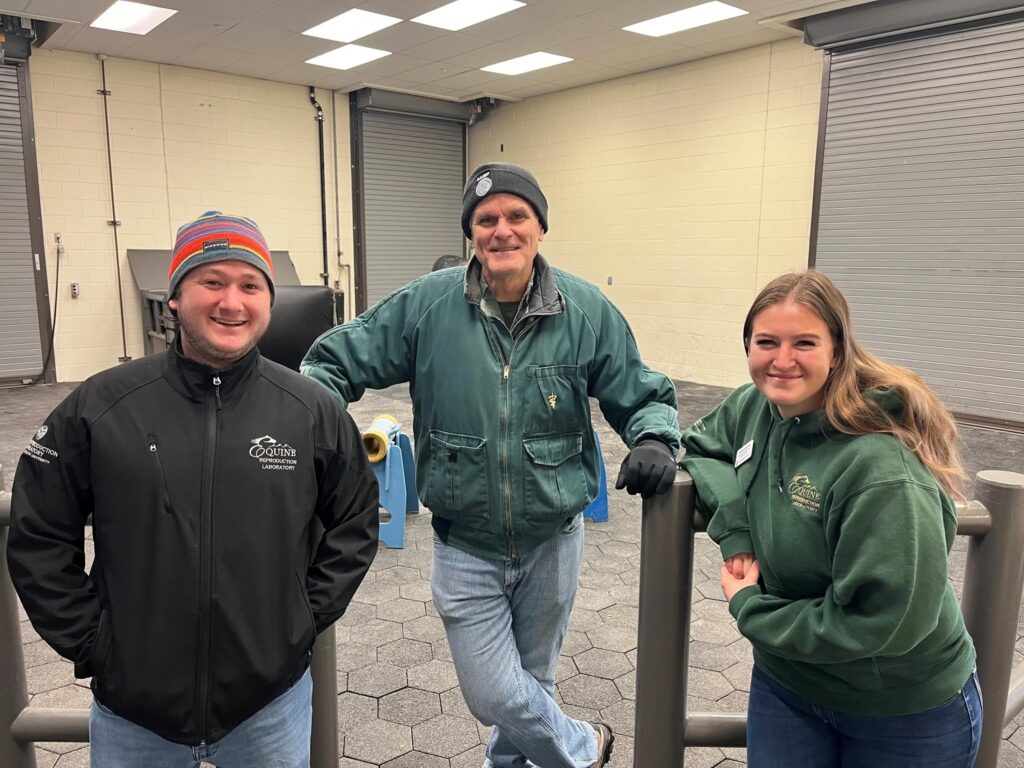
Veterinary Health System
Colorado State University’s Veterinary Health System is a community of veterinary professionals dedicated to providing exceptional service with passion and purpose. Our experts are animal and public health leaders working together to apply their diverse skills in veterinary care, diagnostics, and education. As a partner of CSU’s top-ranked academic veterinary program, the clinical team works with researchers and educators to advance the future of veterinary medicine.