
Protecting pets from ticks
Prevention is far easier than dealing with the health issues a bite can cause, and your pets often provide the earliest warning sign that ticks are active around your home.


Link copied!
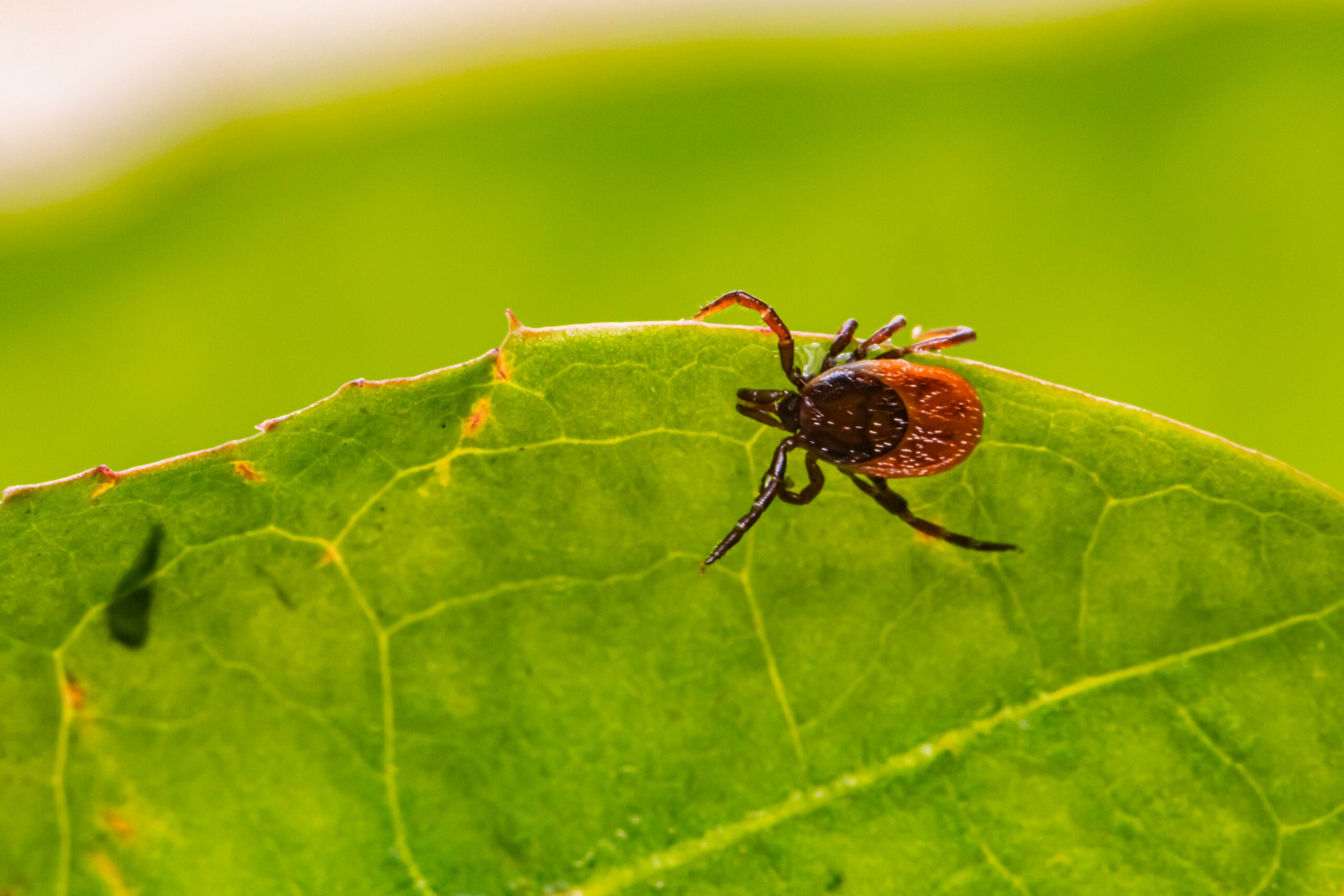
Tick bites are more than a seasonal nuisance in Colorado – they’re a real, year‑round concern, especially in the Foothills and rural areas where ticks thrive. Prevention is far easier than dealing with the health issues a bite can cause, and your pets often provide the earliest warning sign that ticks are active around your home. If your dog is picking up ticks, chances are the environment poses a risk to you, too. With shifting seasons extending tick activity, consistent prevention has become increasingly important.
Learn more about what you need to know to stay protected.
How to spot/feel for ticks on animals
Ticks can be surprisingly small (especially nymphs), so it can be incredibly difficult to find them, and therefore they often go unnoticed until they’ve grown larger from feeding on your pet. That’s why prevention is a much better strategy. However, if you are doing a tick check, touch is often more reliable than sight.
How to do a tick check on your pet:
- Run your hands slowly over your pet’s entire body, feeling for small bumps or pea-sized lumps.
- Pay special attention to:
- Ears (inside and behind)
- Around the eyes and lips
- Neck/collar area
- Armpits and groin
- Between toes
- Base of tail
- On long-haired pets, part the fur down to the skin
In Colorado, tick exposure is highest in spring and early summer, especially in grassy, brushy, or foothill areas.
How to safely remove ticks from pets
It’s very important to remove ticks correctly. Once they have attached to your pet, just pulling them off will actually decapitate the tick, and the head will remain under the skin of your dog which can cause a localized reaction and/or infection. The easiest way is to purchase an inexpensive tool specifically designed for removing ticks.
How to remove ticks from your pet:
Using fine-tipped tweezers or a tick removal tool,
- Grasp the tick as close to the skin as possible
- Pull straight out with steady pressure (don’t twist)
- Clean the area with alcohol or soap and water
- Wash your hands
Avoid burning the tick or using petroleum jelly or oils, which can increase disease transmission.
Do tick collars and shampoos actually work?
This is not a straightforward answer as it very much depends on the product. There has been a proliferation of products over the last decade that it is now overwhelming to know what to use. When buying over-the-counter products be very careful as some flea/tick products can make animals very sick, especially cats. We advise consulting with your veterinary team for the correct product.
It’s also important to know that a lot of tick products we use do not repel ticks but actually require the tick to bite your pet and then the product kills the tick. So you might still find ticks on your pet but it doesn’t mean the product isn’t working. Thankfully, these products kill the tick fast enough that they do not transmit the diseases we worry about.
Collars versus shampoos:
- Tick collars
- Many modern collars (e.g., flumethrin/imidacloprid-based) are highly effective for months
- Best for continuous prevention
- Tick shampoos
- Kill ticks present at the time of bathing
- Do not provide long-term protection
What about oral or topical tick preventatives?
Oral and topical tick preventatives are highly effective and widely used to protect pets from ticks and tick-borne diseases. There are many products available, and your veterinarian can help determine which option is safest and most appropriate for your pet’s lifestyle and risk factors.
Can pets get the same tick diseases as humans?
Yes, pets can get some of the same disease as humans from ticks, and a few of their own as well.
In Colorado, key concerns include:
- Anaplasmosis (dogs)
- Ehrlichiosis (dogs)
- Rocky Mountain spotted fever (dogs and humans, but not very common in Colorado)
- Lyme disease (less common in Colorado than in the Northeast, but still possible)
Symptoms in pets may include:
- Lethargy
- Fever
- Limping or joint pain
- Loss of appetite
- Swollen lymph nodes
Remember that pets don’t always show symptoms right away and some infections can be subclinical (meaning your pet won’t show noticeable symptoms) but still important.
If you find ticks on your pet, speak with your veterinary team about the best time to follow up on any testing.
What about cats and other outdoor animals?
Cats
- Less commonly affected than dogs (due to grooming)
- Still at risk for:
- Tick attachment
- Transmission of diseases like cytauxzoonosis (rare but serious)
- Use cat-safe preventives only (many dog products are toxic to cats)
Livestock and backyard animals (goats, chickens, rabbits)
- Ticks can be a major problem for these species, and a good prevention plan is key.
- Risks include:
- Local irritation or anemia (heavy infestations)
- Disease transmission (varies by species)
General guidance
- Routine inspection is key
- Maintain clean, dry housing areas
- Manage pasture/yard (reduce brush, tall grass)
- Use species-appropriate parasite control