
Equine hoof abscesses: A real pain in the foot


Link copied!
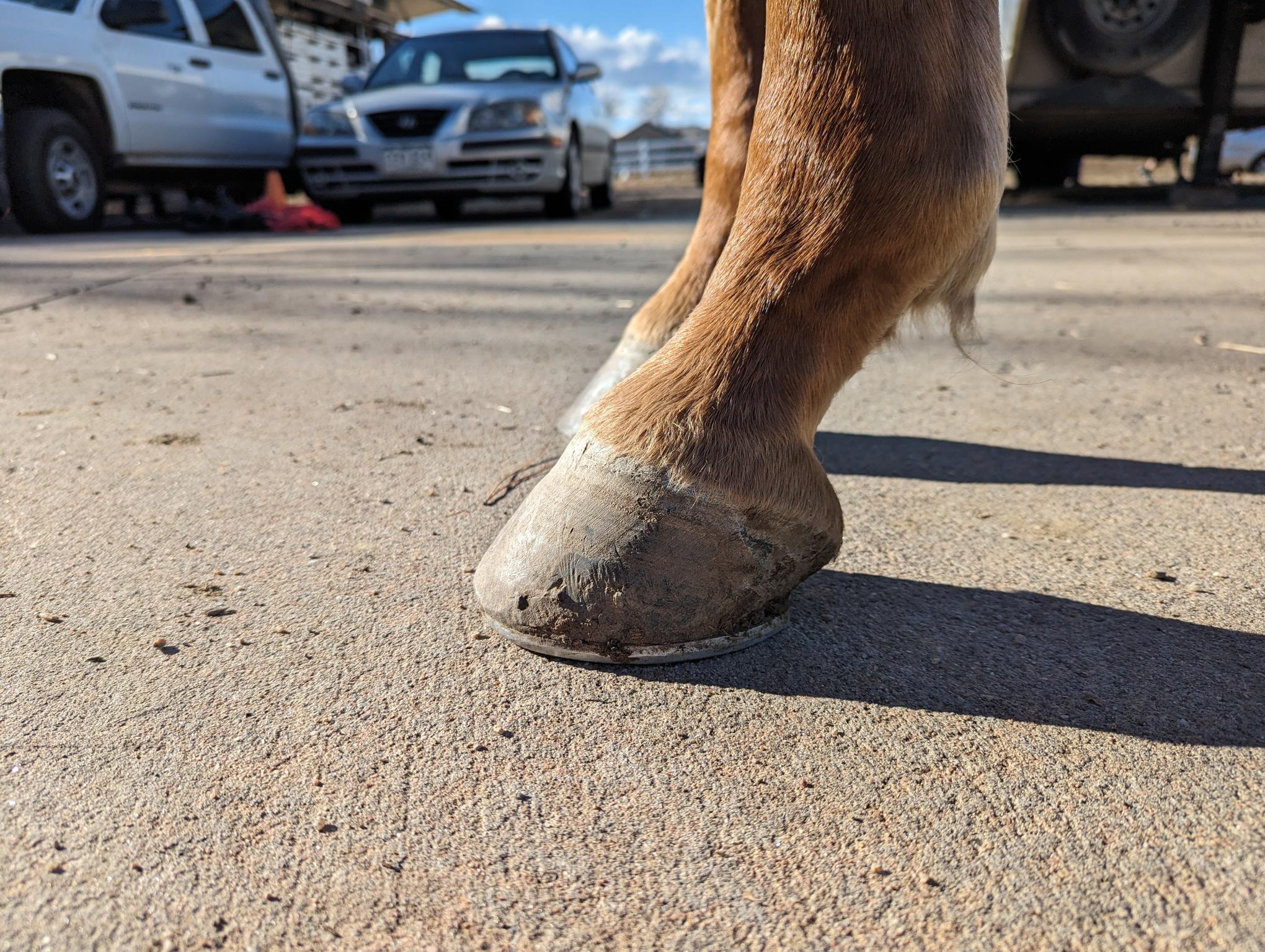
Abscesses are a commonly seen hoof problem and cause of severe lameness in equine practice. An abscess is a pocket of purulent material (pus) trapped in the hoof, caused by bacteria that penetrates the protective, hard, keratinized epithelium of the hoof wall/sole. The bacteria can penetrate the hoof through a defect in the hoof wall or sole, such as a puncture wound or sole bruise. Additionally, environmental factors such as excessive moisture or extreme changes from a wet to a dry environment can soften the hoof capsule and cause microcracks that allow bacteria to enter the hoof wall. The infection is unable to easily rupture through the hoof wall, causing a buildup of pressure and severe pain. If left untreated, the infection and purulent fluid can rupture through the sole of the foot, or through the coronet band, leaving a draining tract and defect.
Clinical signs and diagnosis
Hoof abscesses cause sudden, severe lameness on one limb. The foot and lower limb are often hot to the touch and may be swollen. There may not be any visible damage or trauma to the bottom of the foot. The abscess is located with a tool called hoof testers, which apply direct pressure to specific areas of the sole until the horse reacts painfully. This reaction allows your veterinarian or farrier to know where to pare out the sole to open the abscess tract and allow drainage. Radiographs (X-rays) may be necessary to help diagnose deep or chronic abscesses, as well as help rule out other causes of severe lameness.
Treatment
Primary abscess treatment involves opening the abscess tract and allowing the purulent material to drain. This often offers some degree of immediate relief to the horse. Soaking the foot in warm water and Epsom salt helps to soften the foot and encourage further drainage. The foot should be kept clean and bandaged to prevent dirt or bacteria from packing into the draining tract. A medicated poultice pad or paste can be used in the bandage to facilitate further drainage. NSAIDs such as phenylbutazone (bute) or Banamine may be prescribed by your veterinarian to improve pain and inflammation, encouraging weight-bearing on the affected limb and further expression of purulent material. Antibiotics are typically not indicated unless the infection is severe or chronic.
Prevention
Regular farrier work and keeping hooves picked out (especially in wet weather) helps prevent hoof damage and thrush infections, which can lead to abscesses. Removing stones/material regularly can prevent sole bruises, and thin-soled horses may require shoes to maintain comfort.
If your horse presents with a severe lameness, please call your veterinarian immediately to have an assessment. Early treatment can help to relieve pain and prevent long-term damage to the foot. CSU’s Equine Field Service is available for emergencies 24/7 and can be reached at (970) 297-5000.