

Vesicular stomatitis in horses
Vesicular stomatitis is a viral infection that can cause disease in a broad range of animals, primarily horses, cattle, and pigs.
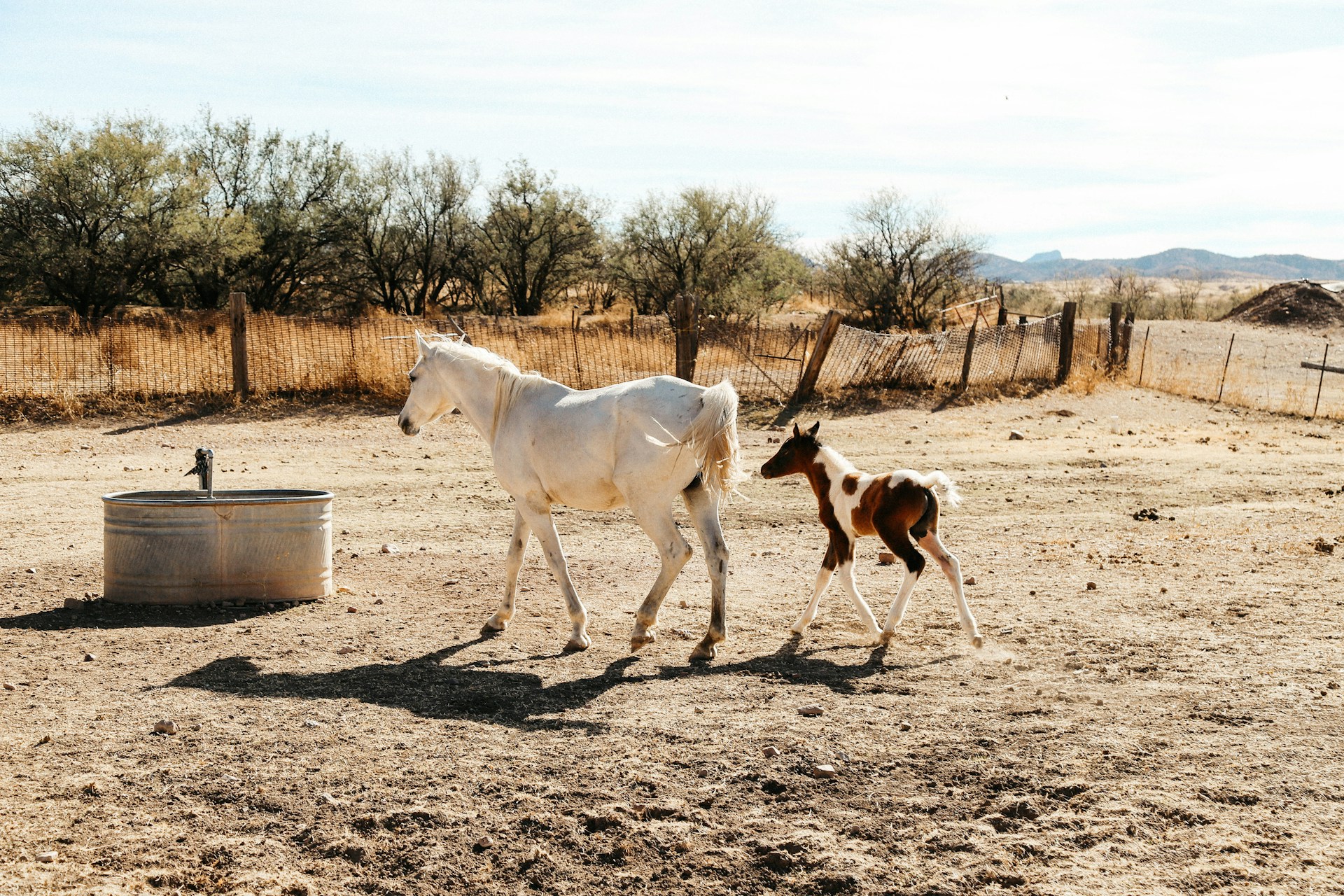
Foaling guide
Our foaling guide details how to foal out your mare at home: foaling supplies, signs of foaling, labor and delivery, and post-partum care.
Equine vaccination guidelines
Guidelines for vaccinating foals and yearlings, broodmares and stallions, and pleasure and performance horses.
Colic in horses
Information for horse owners about identifying, treating, and preventing equine colic, the leading cause of premature death in horses.
Equine recommended deworming schedule
All egg count thresholds given here are guideline and based on the range of counts typically generated by the McMaster technique. Adult horse schedule Low shedders (<200 eggs per gram of manure [EPG]) Moderate shedders (200-500 EPG) High shedders (>500 EPG) In general: Check treatment efficacy with fecal egg counts. The treatment recommendations made here […]
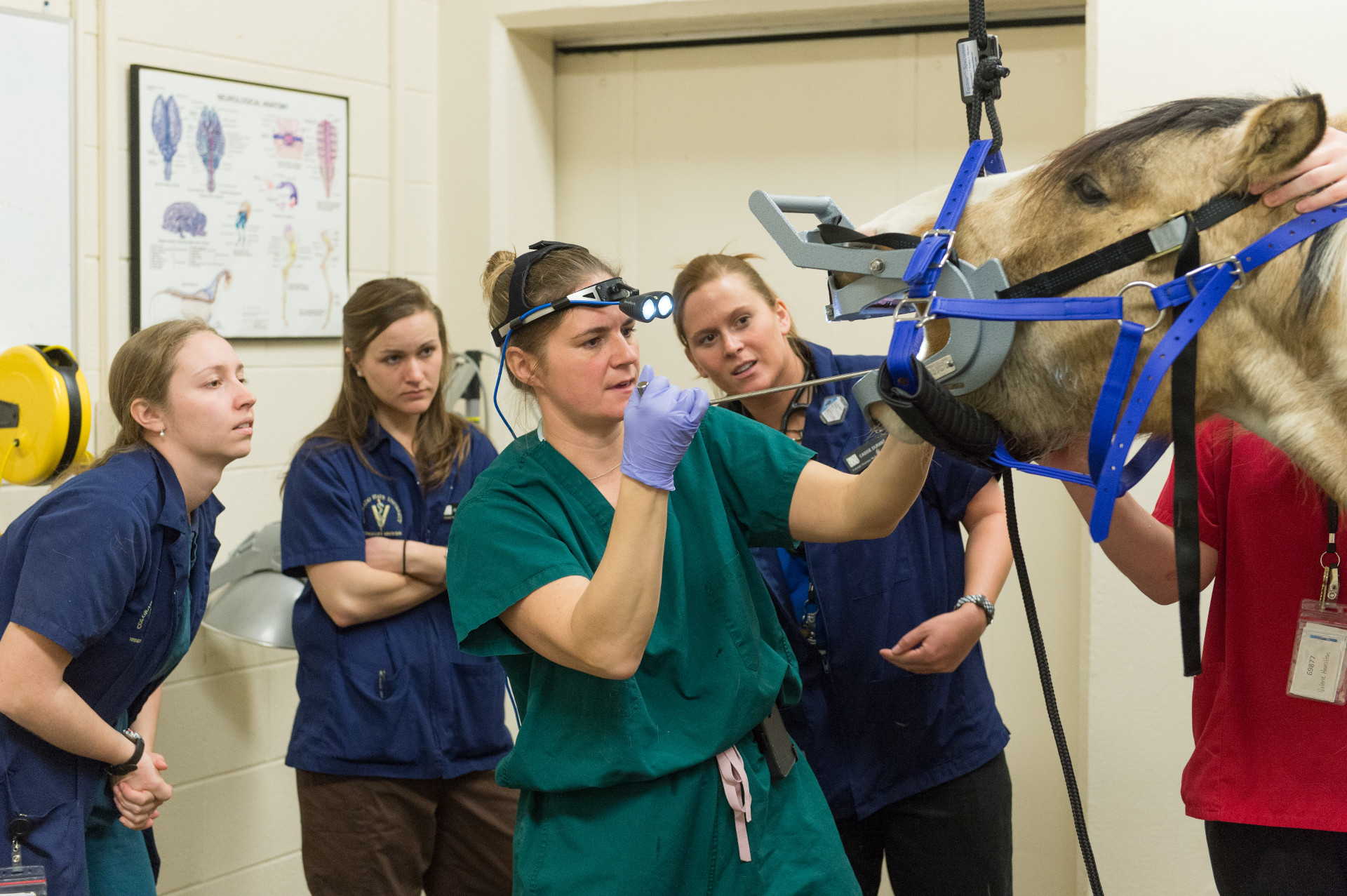
Equine dental care
Proper care of a horse’s teeth is important for proper digestion of feed. This is critical to maintaining healthy body condition, as well as to reduce the risk of choke and colic.
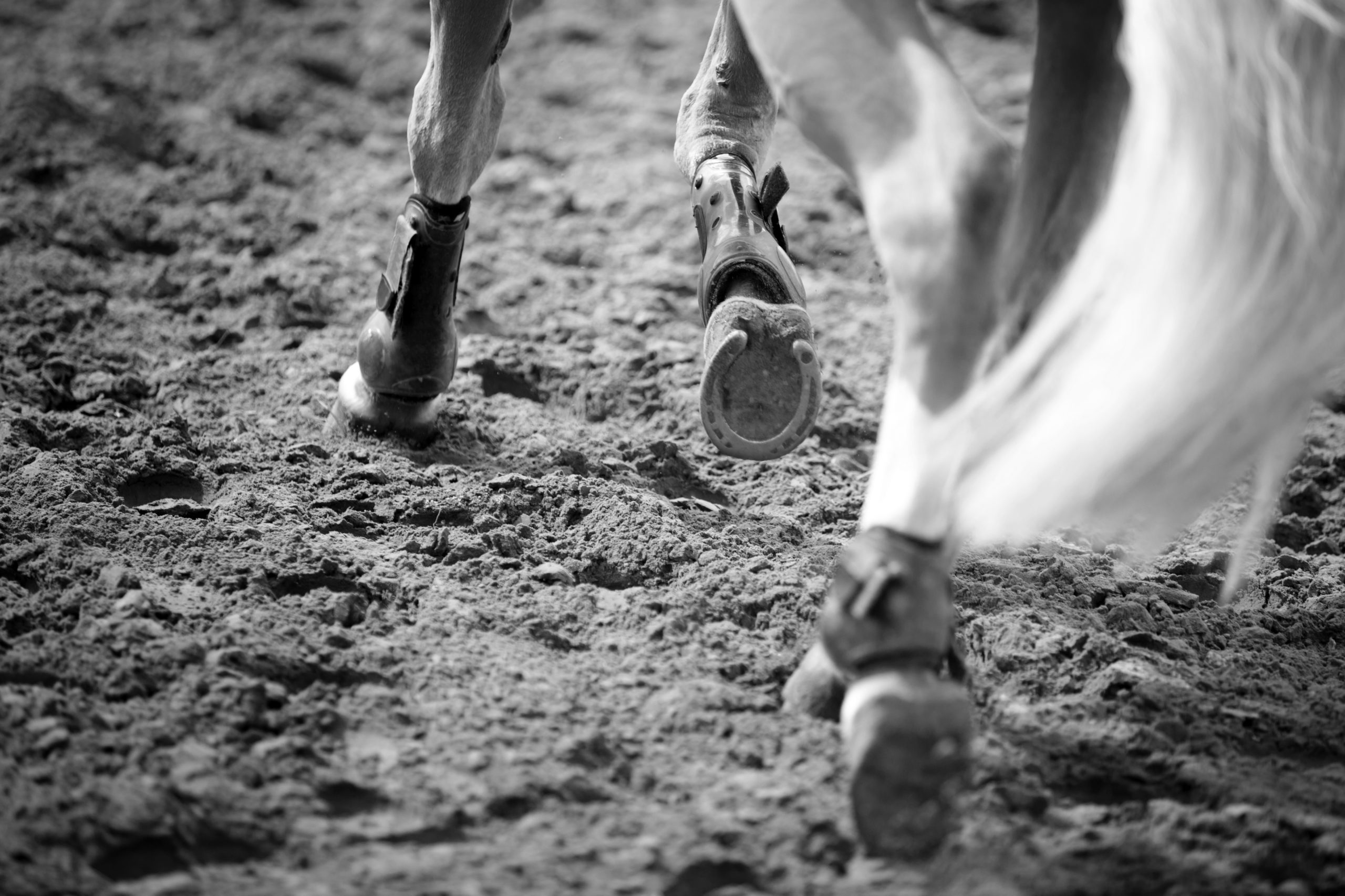
Caring for your older horse
There are important management decisions that will need to be made to ensure your equine friend will stay happy and healthy for years to come.
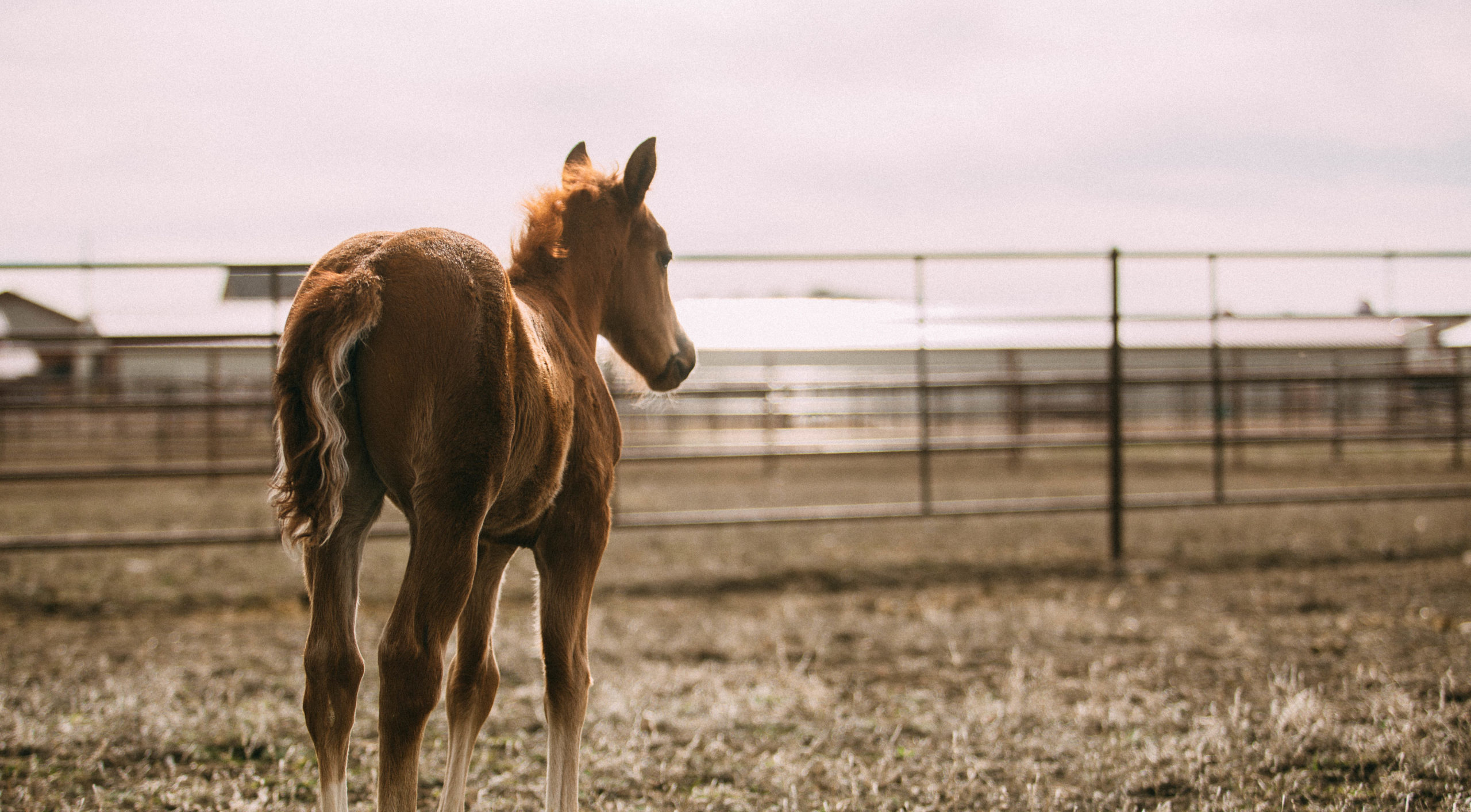
Foal diarrhea: What’s all the stink about?
Diarrhea is a real concern starting just after birth and lasting up to five months of age. In young foals, diarrhea can be harmless (such as foal heat diarrhea) but can become fatal without intervention.