
Rabbits with horn-like growths: What pet owners should know
Dr. Karen Fox, a pathologist in Colorado State University’s Veterinary Diagnostic Laboratory and an expert in diseases that impact both wild and domestic animals, explains what pet owners should know about the rabbit papillomavirus.


Link copied!
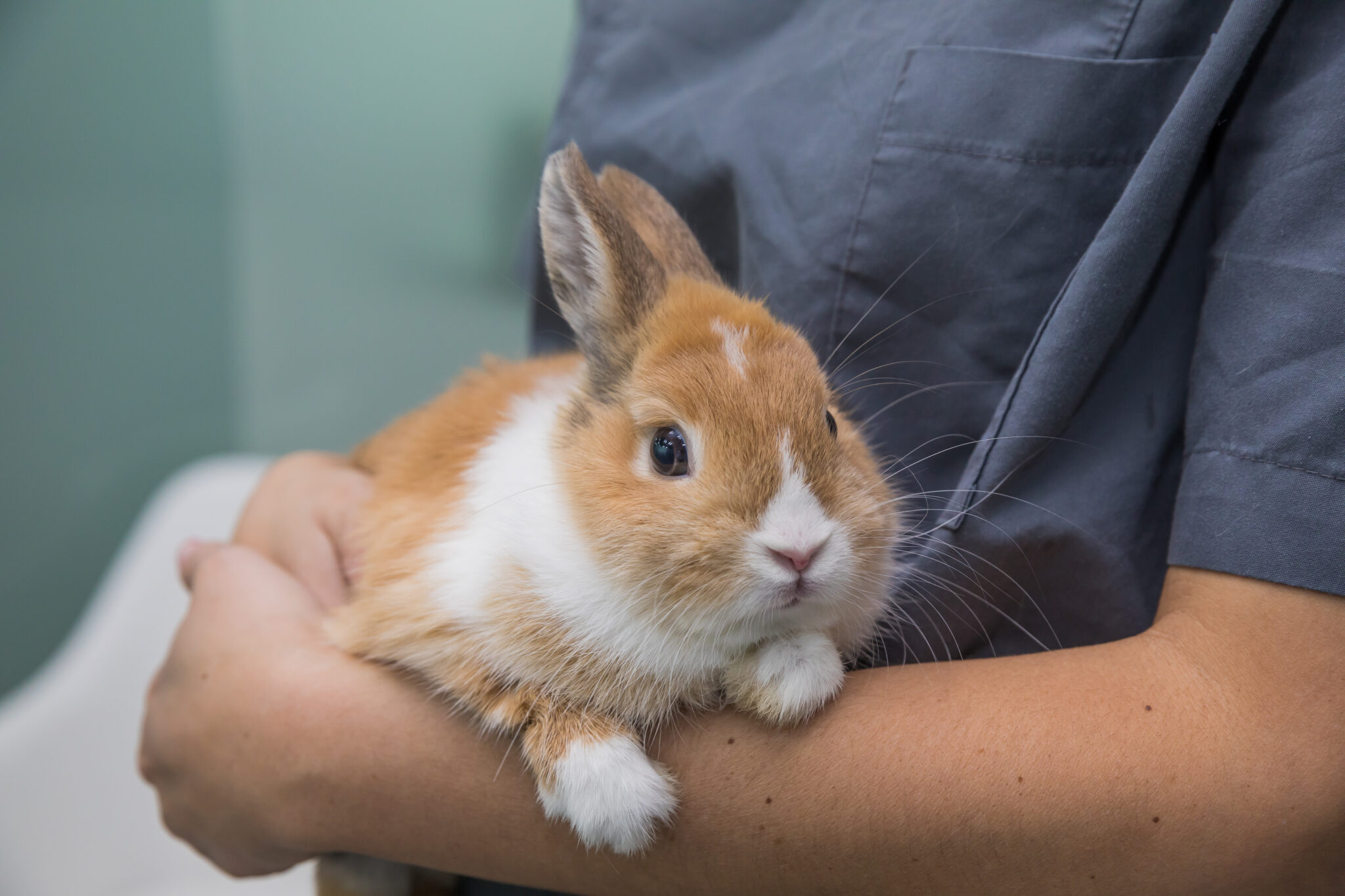
Residents in northern Colorado have reported seeing wild rabbits with wart-like growths. The likely culprit is cottontail rabbit papillomavirus.
This virus, which is sometimes also referred to as Shope papillomavirus, named after the scientist who discovered it, is common in wild rabbits, especially when high numbers of rabbits and insects are present in the summer and fall. The virus causes black, waxy growths, usually on the head and neck of wild rabbits. The growths can become long and resemble horns.
Cottontail papillomavirus can also affect pet rabbits, especially if they are housed outdoors, said Dr. Karen Fox, a pathologist in Colorado State University’s Veterinary Diagnostic Laboratory. Fox, an expert in diseases that impact both wild and domestic animals, explained what pet owners should know about the rabbit papillomavirus.
- The vast majority of infected wild rabbits will be fine. The rabbits will survive the infection, and the warts or lumps will eventually fall off; the affected area will heal.
- In pet rabbits, however, the disease can be more severe than in wild rabbits.
- In some pet rabbits, the warts can progress to an invasive cancer. For that reason, Fox recommended that pet owners check their rabbits for any lumps; if any are present, take the animal to a veterinarian to be checked and treated.
“If a domestic rabbit gets infected, the growths don’t look exactly like the ones on the wild rabbits,” Fox said. “They’re usually smaller, and they’re not always black like the ones you see on a cottontail.”
- Transmission typically occurs through the bite of a flea, mosquito or tick that has previously bitten an infected wild rabbit.
- The best way to prevent infections in pet rabbits, Fox said, is to keep them indoors, particularly during the summer and fall when insect activity is higher.
- Growths usually occur in areas where insects like to bite — the head, neck, around the eyes and inside the ears.
- There is no risk of wild or pet rabbits transmitting this virus to humans or to other animals, such as cats, dogs or livestock.
- Rabbits, however, can carry other diseases and it is not advisable to let pets come into contact with wild rabbits or other wildlife.
- CSU does not have information related to specific case numbers of rabbit papillomavirus in northern Colorado or elsewhere.
Veterinary Health System
Colorado State University’s Veterinary Health System is a community of veterinary professionals dedicated to providing exceptional service with passion and purpose. Our experts are animal and public health leaders working together to apply their diverse skills in veterinary care, diagnostics, and education. As a partner of CSU’s top-ranked academic veterinary program, the clinical team works with researchers and educators to advance the future of veterinary medicine.