
From bench to bioinformatics: Networking the next generation in genetic sequencing
Veterinary diagnosticians are advancing infectious disease response through hands-on training in next-generation sequencing, thanks to NAHLN symposia focused on technology and collaboration.


Link copied!
Thanks to a unique pair of symposia, animal health diagnosticians who protect agriculture and public health are now more familiar with progressive technologies to respond to infectious disease outbreaks, using next-generation sequencing (NGS) and a purpose-built network of colleagues across the country.
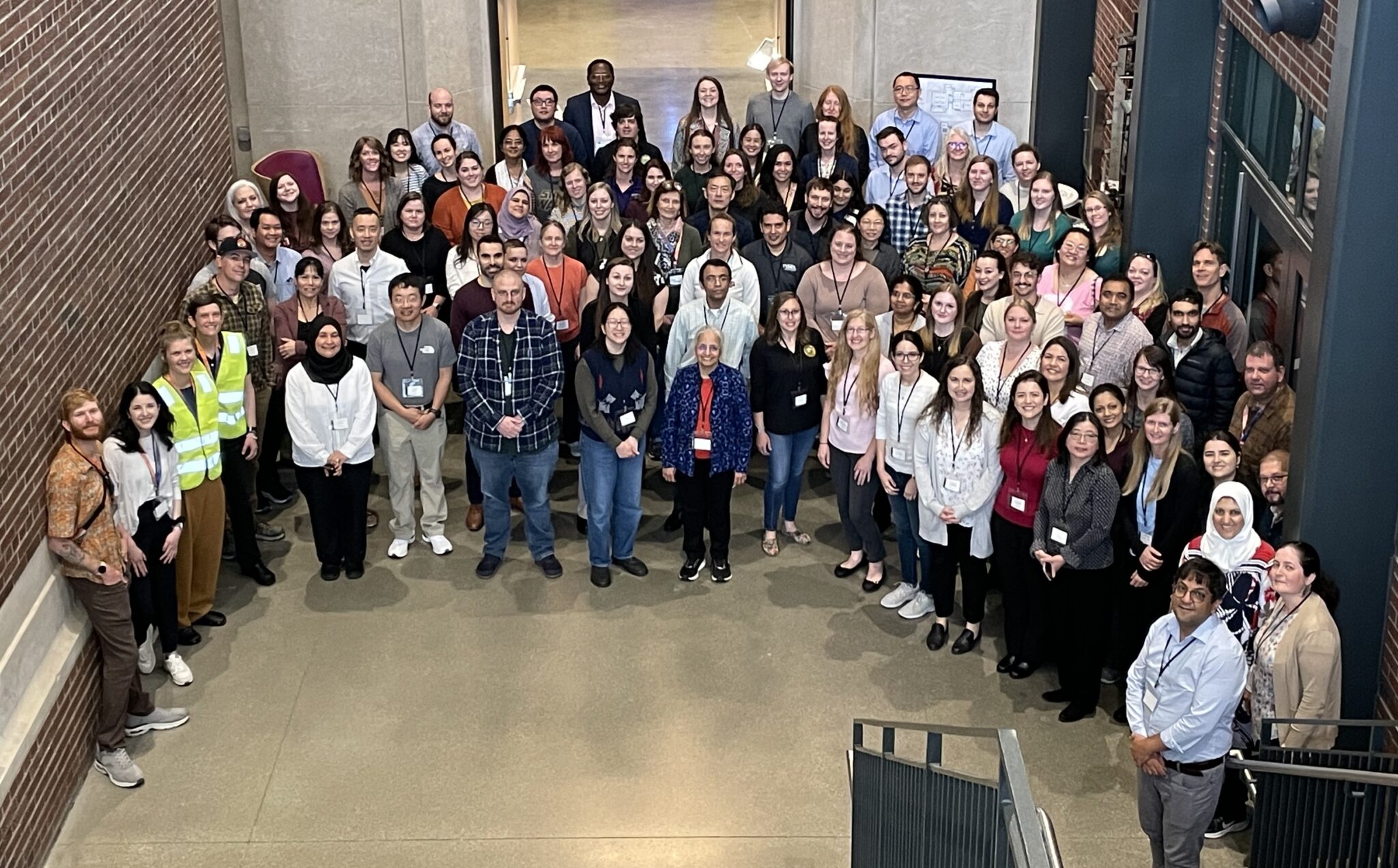
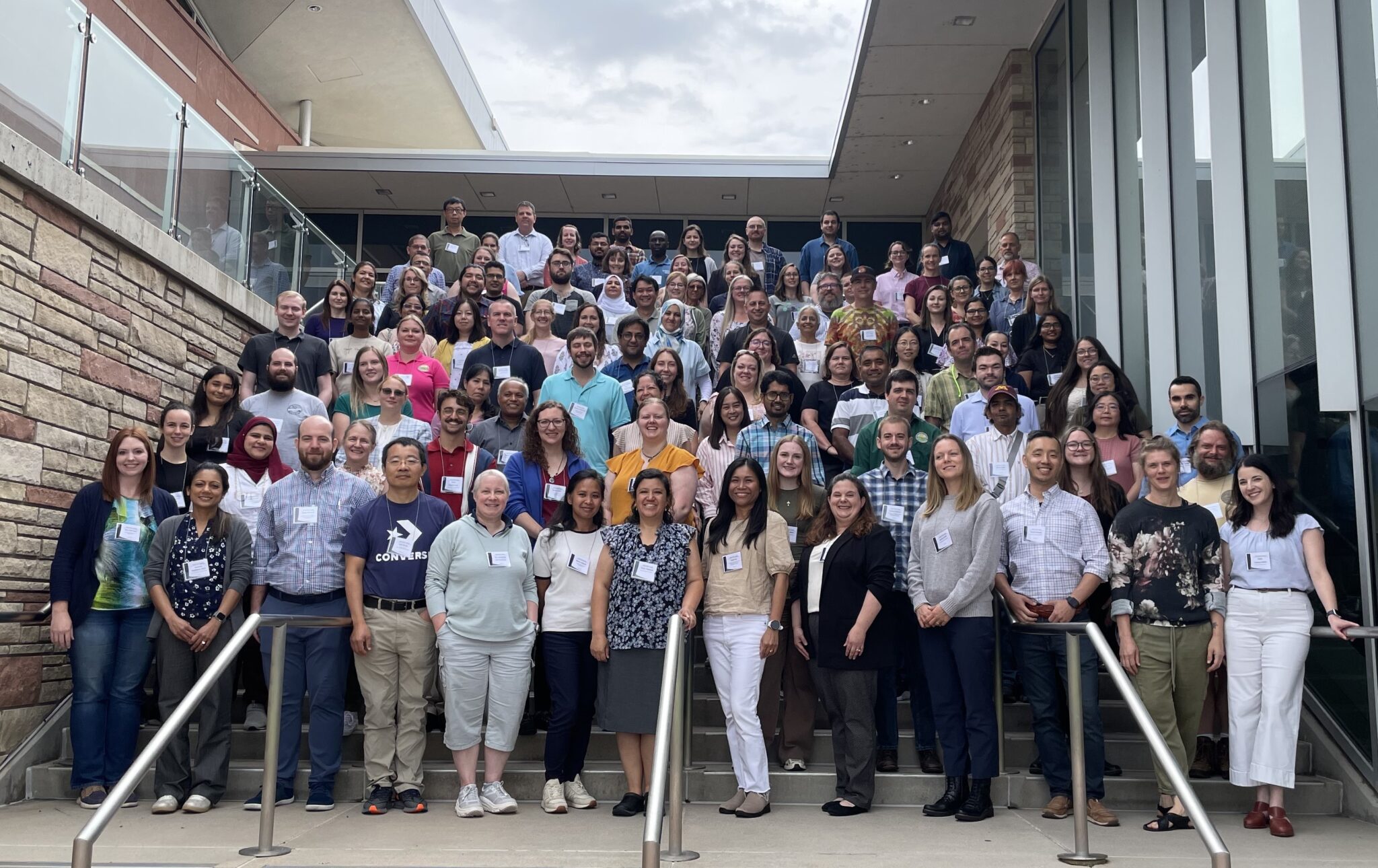
In May and July 2025, the National Animal Health Laboratory Network (NAHLN) hosted Next-Generation Sequencing Symposia at Michigan State University and Colorado State University to gather veterinary diagnosticians and technicians from NAHLN member laboratories for hands-on training in sequencing and bioinformatics.
“The veterinary community is very vigilant,” said Dr. Ash Malmlov, veterinary project manager for the CSU Veterinary Diagnostic Laboratories, and training organizer for the symposia. “We already have many strategies as a profession to protect animal health, and we are always striving for improvement by integrating new diagnostic tools. NGS technology allows us to assess a suite of epidemiology questions and allows us to more quickly hone in on identifying novel pathogens – things we haven’t seen before.”
In response to improved access to NGS technology, the NAHLN is providing diagnostic personnel with learning opportunities to integrate additional comprehensive and efficient infectious disease diagnostic workflows into the animal health laboratory setting. This action provides more tools for disease surveillance, individual animal treatment response, and population-level outbreak response.
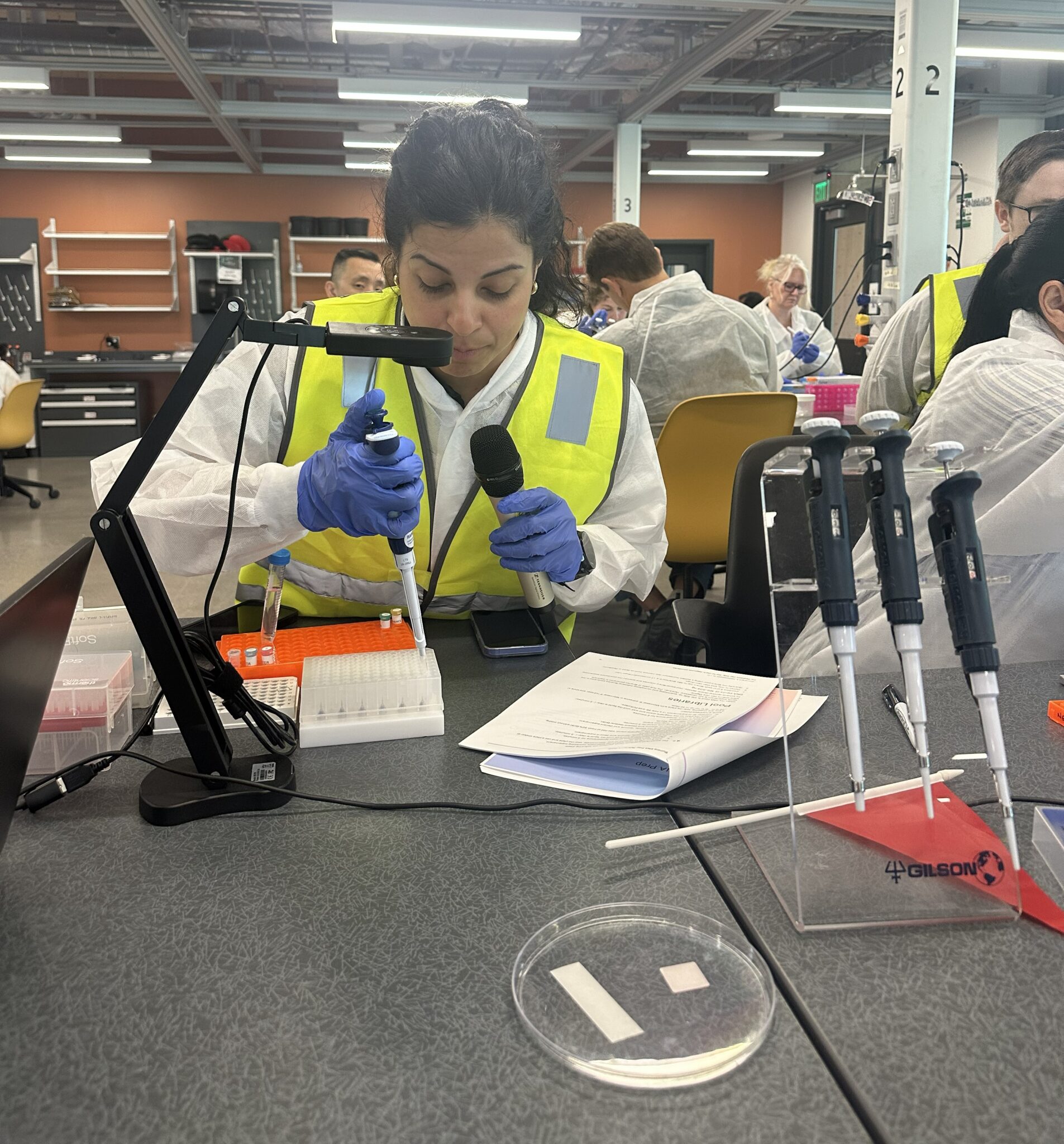
“The symposium provided an unprecedented learning opportunity for laboratory personnel to gain hands-on experience and work with experts in the two main facets of NGS – those steps that require pipettes and lab time, and those steps that require computer analysis skills,” said Malmlov. “In addition, it facilitated connection so that folks could continue to have conversations and build confidence in the techniques they learned beyond the training.”
Members of the National Animal Health Laboratory Network learned how to use computational power and coding skills to assess large data sets for biological conclusions. In this case, influenza virus.
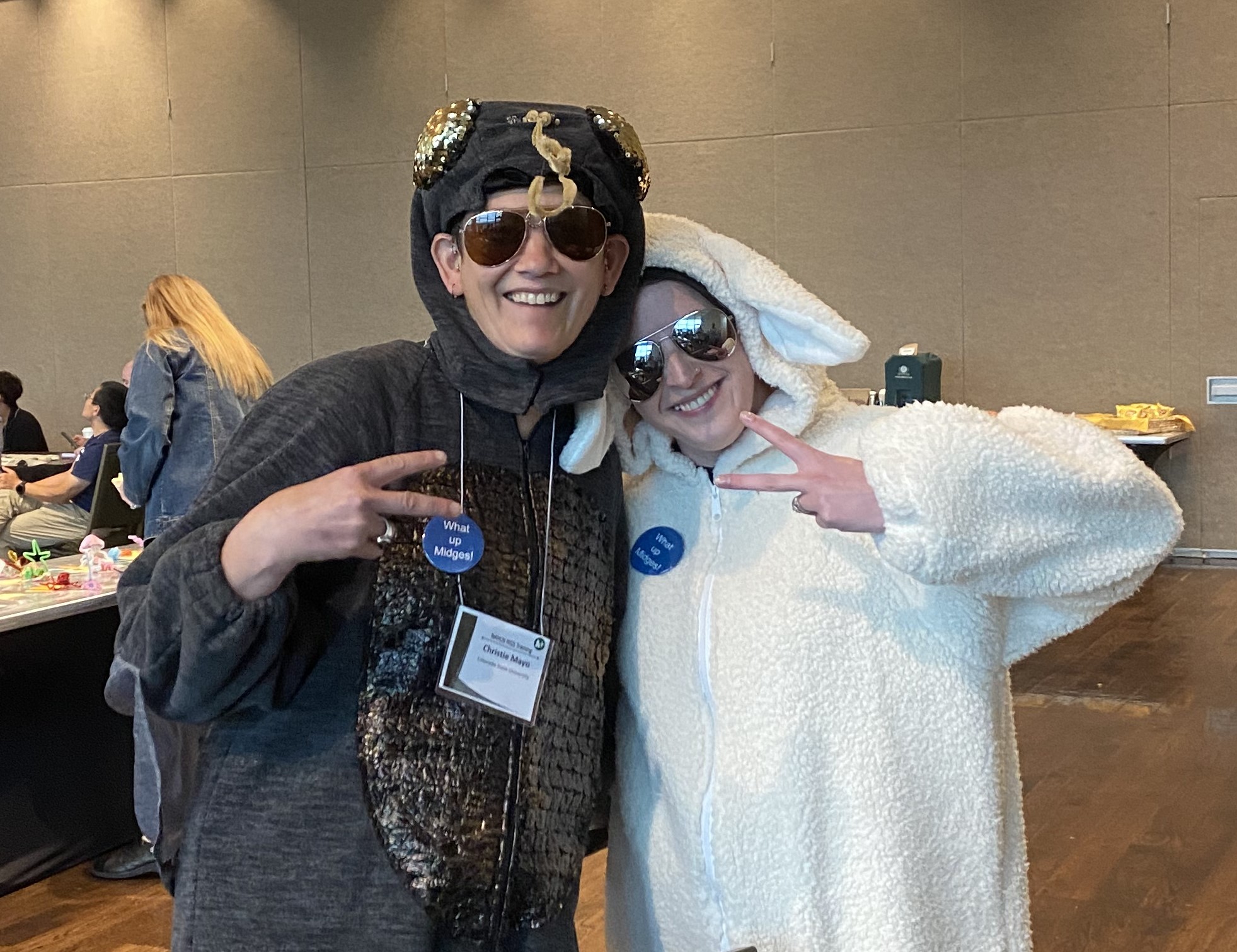
“Some of our primary goals were to teach a very technical skill set, both at the bench and in the bioinformatics, but also meet people where they were, learning these skill sets so that they could go back and apply them at home,” said co-organizer Dr. Christie Mayo, associate professor of microbiology, immunology, and pathology at Colorado State University, and head of the virology section at the CSU Veterinary Diagnostic Laboratory, part of the Veterinary Health System.
Using big data to connect dots
“In our case, it’s analyzing large datasets from influenza sequencing,” said Dr. Kayla Conner-Halim, Ph.D., a microbiologist and bioinformatician at Michigan State and co-organizer of the conferences. “Bioinformatics in data analysis has historically been a very specialized skill set and it’s becoming more widespread with the increasing prevalence of genomic sequencing. You need to have biological understanding, but you also need to have a fundamental understanding of a lot of concepts in computer science, and that is a weird overlap for a lot of people.”
The symposia aimed to make that overlap less weird by teaching how to use the technological tools and creating a support network for users. “The tools are becoming more accessible, but we do still have to teach folks how to use those tools and connect those dots for people who have not encountered them in the past. We were laying out the options, describing the fundamental concepts and helping people to decide which routes make the most sense for them to pursue,” Conner-Halim said.
Data analysis can provide answers to urgent questions, Conner-Halim said: “We focused on avian influenza because it’s so relevant in the veterinary world right now. We can answer things like did this particular strain come from farm A to farm B? Did it spread from cow A to cow B?
“Is a given strain of particular concern for spillover into humans? How fast is the virus evolving? Is the virus evolving in a way that is going to make it more harmful to humans, more harmful to flocks, more harmful to dairy cattle? Are we at risk of seeing other spillover events into other animals?”
One of the benefits of NGS is that it is unbiased, said Malmlov. “Most of the assays we used in diagnostics have some degree of bias: you have to suspect what might be causing an illness and work backwards from suspicions. A test for influenza is generally specific for influenza, so a doctor needs to suspect you have influenza and then confirm or rule out that suspicion with a diagnostic assay,” she said.
“You don’t have to have a sense of what might be causing an illness in order to run NGS on a sample. The sample just needs genetic material. This allows for more comprehensive testing at one time. The catch is that it generates an incredibly large amount of data that requires a special skill set to analyze and then assess if the puzzle pieces of disease presentation with potential diagnosis all fit together,” Malmlov said.
Creating an intentional network
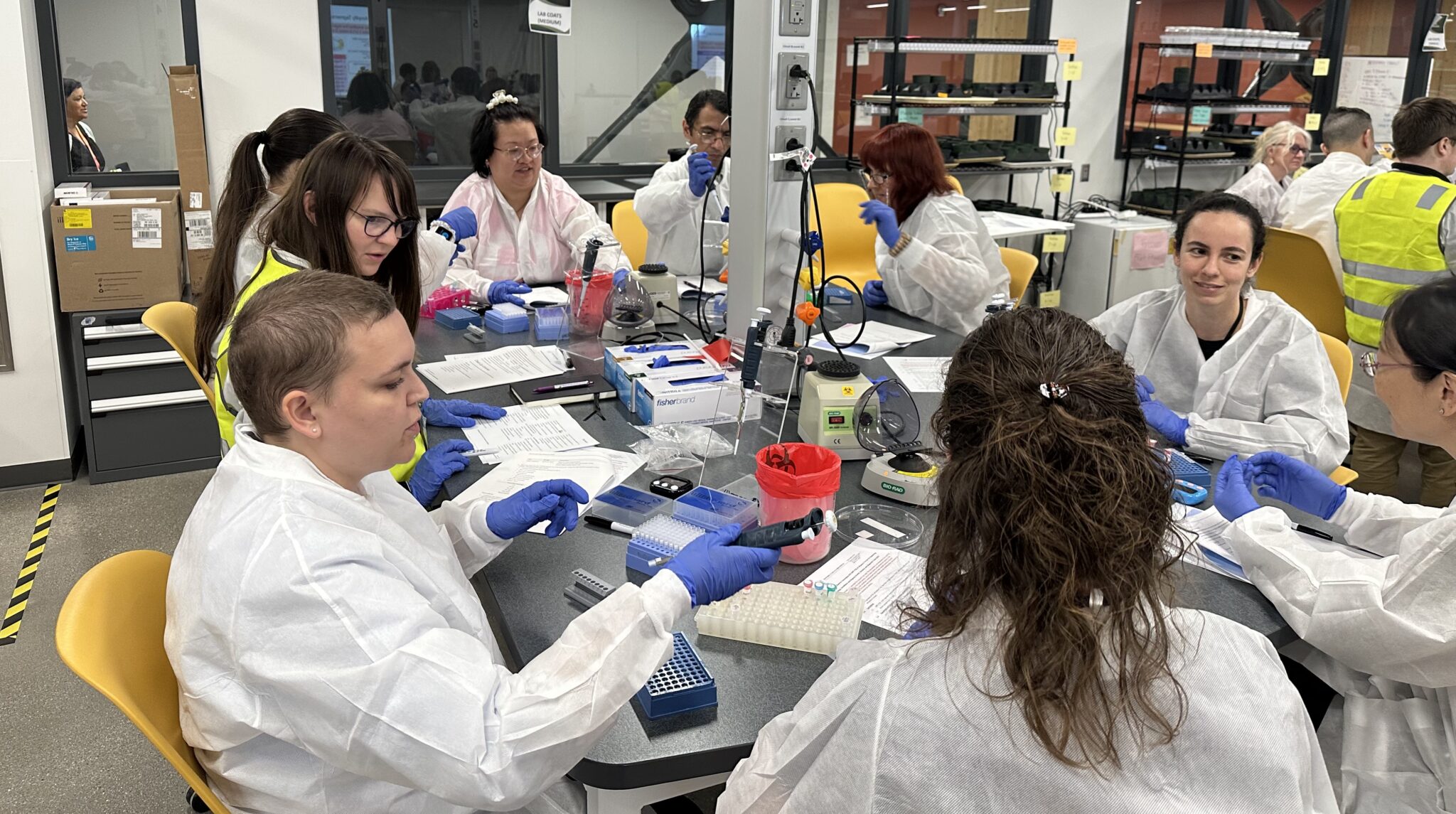
As part of the National Animal Health Laboratory Network, the organizers know the importance of collaboration. “We are consciously putting a lot of intentional effort into building a platform where the participants can stay in touch with each other,” Mayo said. “I’m proud of the group. I’m proud of the impact. I’m proud that so many different people came together to organize this.”
It was definitely a group effort. “Our organizing committee recognized the importance of building community. We really wanted the content to live on in perpetuity beyond funding end dates, and we felt like we could facilitate that through community building,” Malmlov said.
To that end, the organizers collaborated with Divergent Science, a team science consultancy that specializes in building lasting and robust networks, founded by Ellen Fisher, Ph.D., and Hannah Love, Ph.D., both of whom have ties to CSU. Love earned her doctorate in sociology at CSU in 2019, and Fisher was assistant vice president in the CSU Office of the Vice President for Research until 2021, when she moved to the University of New Mexico as vice president for research.
“So many of the problems that we are trying to solve as a scientific community can’t be solved by one scientific discipline. We need lots of disciplines and lots of people working together to solve these bigger problems,” Love said.
With the goal of creating a national network that would sustain the work of the symposia, the organizers tracked participation in real time through the conferences. “We asked ‘Who would you go to for advice? Who have you learned from? And whose results, like results in a lab, would you trust with a healthy amount of skepticism?’ Because we’re scientists, we don’t want to just accept anyone’s results blindly,” Love said.
Dots began to connect, creating a web of contacts and expertise the participants can call on when they need it. “Now they are able to take this back to their institutions,” said Conner-Halim. “We had about 50 different institutions represented in that group, which is amazing. This may be a once-in-a-lifetime thing so it was really special.”
“Each group had people from a variety of regions so we truly are building a network,” Love said. “My hope is that in the next outbreak, the next time they need that network, they know they can call someone they know at that lab or in that region.”
Organizers see a sustained impact from the two symposia that will add to their arsenal of diagnostic tools.
“Building skill and applying NGS technology to animal diagnostics will provide a wealth of information and understanding for disease management and response,” Malmlov said. “Through community-building we align with the mission of the NAHLN and work to protect animal and human health in a unified front.”
Veterinary Health System
Colorado State University’s Veterinary Health System is a community of veterinary professionals dedicated to providing exceptional service with passion and purpose. Our experts are animal and public health leaders working together to apply their diverse skills in veterinary care, diagnostics, and education. As a partner of CSU’s top-ranked academic veterinary program, the clinical team works with researchers and educators to advance the future of veterinary medicine.