
CSU veterinarians monitoring for EHV-1: What horse owners need to know
Understand the risks of equine herpesvirus-1 (EHV-1), what to look for, and what to do if your horse is demonstrating symptoms.


Link copied!
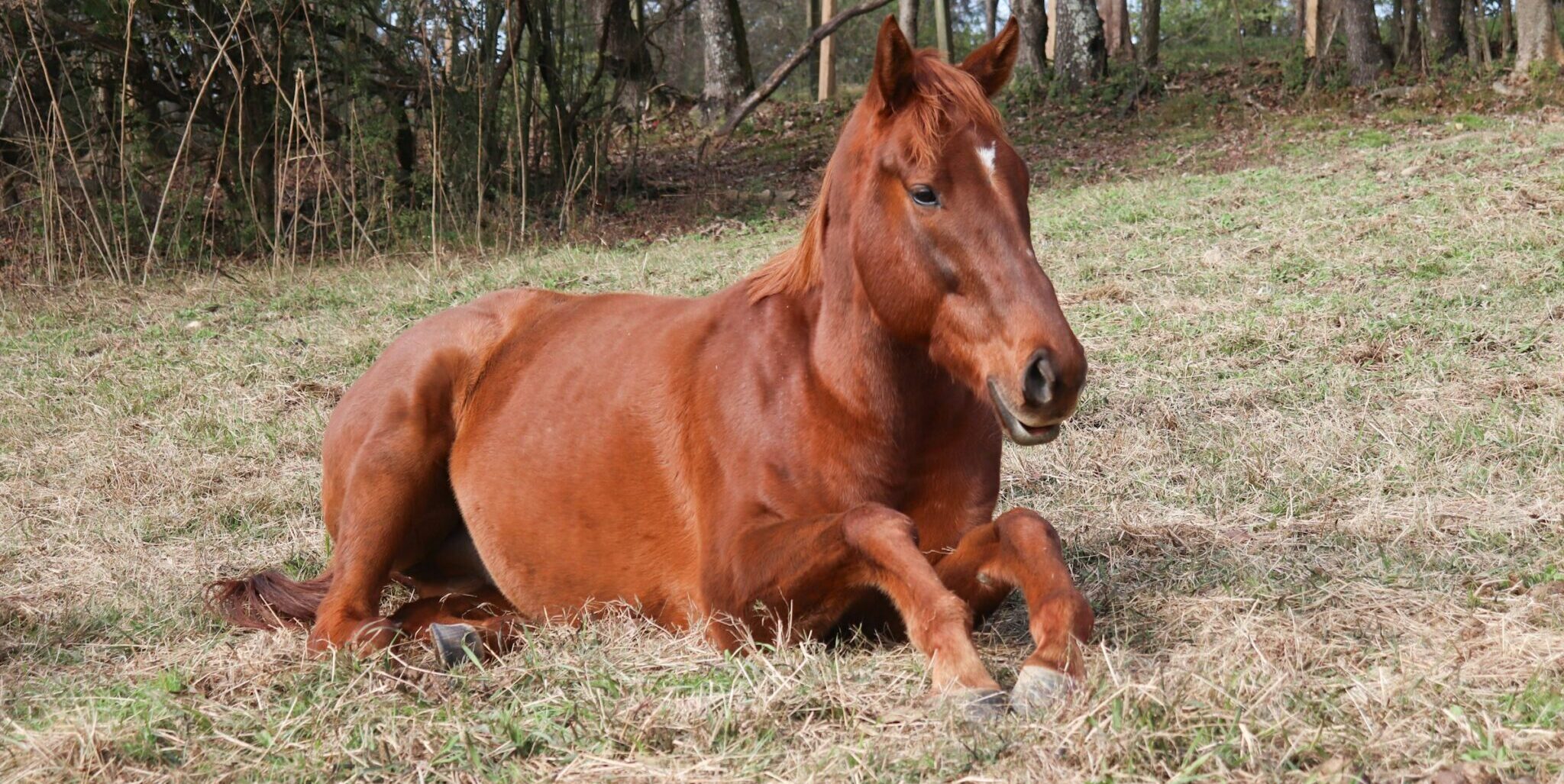
A recent outbreak of equine herpesvirus-1 (EHV-1) following barrel racing and rodeo-type events in Waco, Texas, and Guthrie, Oklahoma, has drawn heightened nationwide attention. This particular strain of the virus may cause respiratory disease, abortion, and neurologic disease.
On Thursday, Colorado’s first positive case was detected following PCR testing by CSU Veterinary Health System’s Veterinary Diagnostic Laboratories (VDL). At the time of testing, the horse had no neurologic signs but had traveled to the Texas event. The results were reported to the state veterinarian at the Colorado Department of Agriculture, who is working with the owner to trace contacts.
“We see outbreaks like this of EHV-1 periodically and report all cases to the Colorado Department of Agriculture,” said Dr. Kristy Pabilonia, executive director of the Veterinary Diagnostic Laboratories.
According to Dr. Gabriele Landolt, equine internal medicine specialist and infectious disease lead at the Johnson Family Equine Hospital, the virus is always present, but when there’s an outbreak at a large event, it tends to get a lot of attention.
In response, CSU’s equine veterinarians have been fielding calls from concerned owners and instituting extra protocols when horses arrive at the Johnson Family Equine Hospital.
“We are asking owners to disclose recent travel involving their horses,” said Landolt. “We are particularly focused on horses that have attended or had contact with horses that have traveled to barrel racing or rodeo-type events where exposure may have occurred. In cases where there’s a potential exposure history, we will be taking extra precautions, for example, taking temperatures before the horse enters our hospital.”
Landolt emphasized, however, that this outbreak is not a reason to panic. Officials are working to monitor and contain the outbreak, educate owners on clinical signs, and reinforce best practices in horse care and biosafety protocols.
“If your horses don’t travel or come in contact with horses that have been traveling, they have a much lower risk of exposure to the virus causing this outbreak.”
To help owners understand the risks, what to look for, and what to do if their horse is demonstrating symptoms, Landolt answered frequently asked questions.
Frequently asked questions
What are the signs associated with equine herpesvirus-1?
Clinical signs of EHV-1 may vary from respiratory to neurological. It’s not necessarily a progression, and neurological signs may appear without the horse demonstrating any respiratory signs first.
Clinical signs of EHV-1:
- Fever (body temperature is above 101.5 F)
- Coughing
- Nasal discharge (most common sign in older foals)
- Variable enlargement of submandibular lymph nodes
- Lethargy, anorexia
- Conjunctivitis
- Ocular disease, including uveitis and keratitis
- Lower limb swelling
Neurologic signs of EHV-1:
- Neurologic signs are often (but not always) preceded by fever
- Incoordination of the hind (and occasionally fore) limbs
- Leaning against a wall or other secure surface
- Ataxia or wobbly gait
- Urine retention/dribbling
- Bladder atony
- Recumbency with inability to rise, including “dog sitting”
- Rarely, cranial nerve deficits, seizures, and/or brainstem signs are observed
What to do if your horse is showing symptoms?
The most important thing you can do if your horse is showing symptoms is to call your veterinarian. They can help you determine the next steps. It’s important to note that not every horse needs to go to the hospital. If you or your veterinarian has additional questions or concerns regarding your horse’s health, please contact CSU Equine Services at (970) 297-5000, option 3.
How does the virus spread?
EHV-1 spreads primarily through close contact between horses. It can be transmitted via droplets from coughing or nasal discharge. It may also spread through indirect contact, for example, when a person who handles an infected horse then touches another horse without proper biosafety precautions. Contaminated surfaces, including stalls, water, and feed, also may lead to infections.
What do I do if my horse tests positive for EHV-1?
EHV-1 is a reportable disease, and if detected, the laboratory and/or your veterinarian will report the result to the state veterinarian. The State Veterinarian’s Office will provide guidance regarding isolation and monitoring, including:
- Exposed horses should be isolated for 21 days after the last known exposure.
- Appropriate isolation includes restricted access to other horses, avoiding the sharing of equipment or personnel, and utilization of protective barrier precautions.
- Exposed horses should be monitored twice daily for elevated temperature (above 101.5 F), respiratory signs (nasal discharge, coughing), and for clinical signs consistent with equine herpes myeloencephalopathy (neurologic symptoms including inability to stand, difficulty walking, lethargy, and urine dribbling). Maintain a log with temperatures and clinical signs.
- If elevated temperature, respiratory signs, or EHM-compatible clinical signs are noticed, contact your veterinarian.
Is there a treatment for horses that test positive?
Treatment for positive horses is supportive therapy for symptoms (e.g., non-steroidal anti-inflammatory drugs for horses with a fever). Research investigating the use of drugs, including antiviral agents, found no evidence that treatments started after the onset of clinical signs prevented or changed the course of neurological disease (EHM). However, administration of the antiviral drug valacyclovir (Valtrex) before infection may provide some protection to horses at high risk.
Is there anything I can do to protect my horse?
Avoid contact with horses that have traveled or have an unknown history, and make sure you have strong biosecurity protocols. Measures following detection of infection should include strict hygiene and barrier precautions (e.g., handwashing, use of separate cleaning tools, and changing footwear and clothing after contact with infected horses), as well as the isolation of affected and in-contact horses. The virus is spread primarily through contact, with limited airborne droplet spread compared to other respiratory viruses, such as equine influenza virus. Additional online resources describing biosecurity measures are available (e.g., www.aaep.org).
My horse is vaccinated. Should I be worried?
A recently released consensus statement from the American College of Veterinary Internal Medicine states that there is no evidence that available EHV-1 vaccines fully protect against viremia or prevent equine herpesvirus myeloencephalopathy (neurological disease). However, vaccination is still considered a component of a comprehensive biosecurity strategy, contributing to reduced clinical disease severity and reduced viral transmission.
How do I get my horse tested?
Contact your veterinarian to arrange testing of your horse for EHV-1. Veterinarians can submit samples to the CSU VDL. Whole blood samples and nasal swab samples in 1-2 milliliters of sterile saline can be dropped off at any of CSU’s Veterinary Diagnostic Laboratories or shipped to CSU’s main laboratory in Fort Collins. The lab recommends submitting both samples for EHV-1 PCR testing. Visit the CSU Veterinary Diagnostic Laboratories website for specific instructions and submission information.
Additional Resources
- Colorado Department of Agriculture
- The Equine Disease Communication Center provides real-time disease tracking, including the current EHV-1 outbreak.
- The American Association of Equine Practitioners offers a variety of information sheets and answers to EHV-1 questions.
Veterinary Health System
Colorado State University’s Veterinary Health System is a community of veterinary professionals dedicated to providing exceptional service with passion and purpose. Our experts are animal and public health leaders working together to apply their diverse skills in veterinary care, diagnostics, and education. As a partner of CSU’s top-ranked academic veterinary program, the clinical team works with researchers and educators to advance the future of veterinary medicine.