
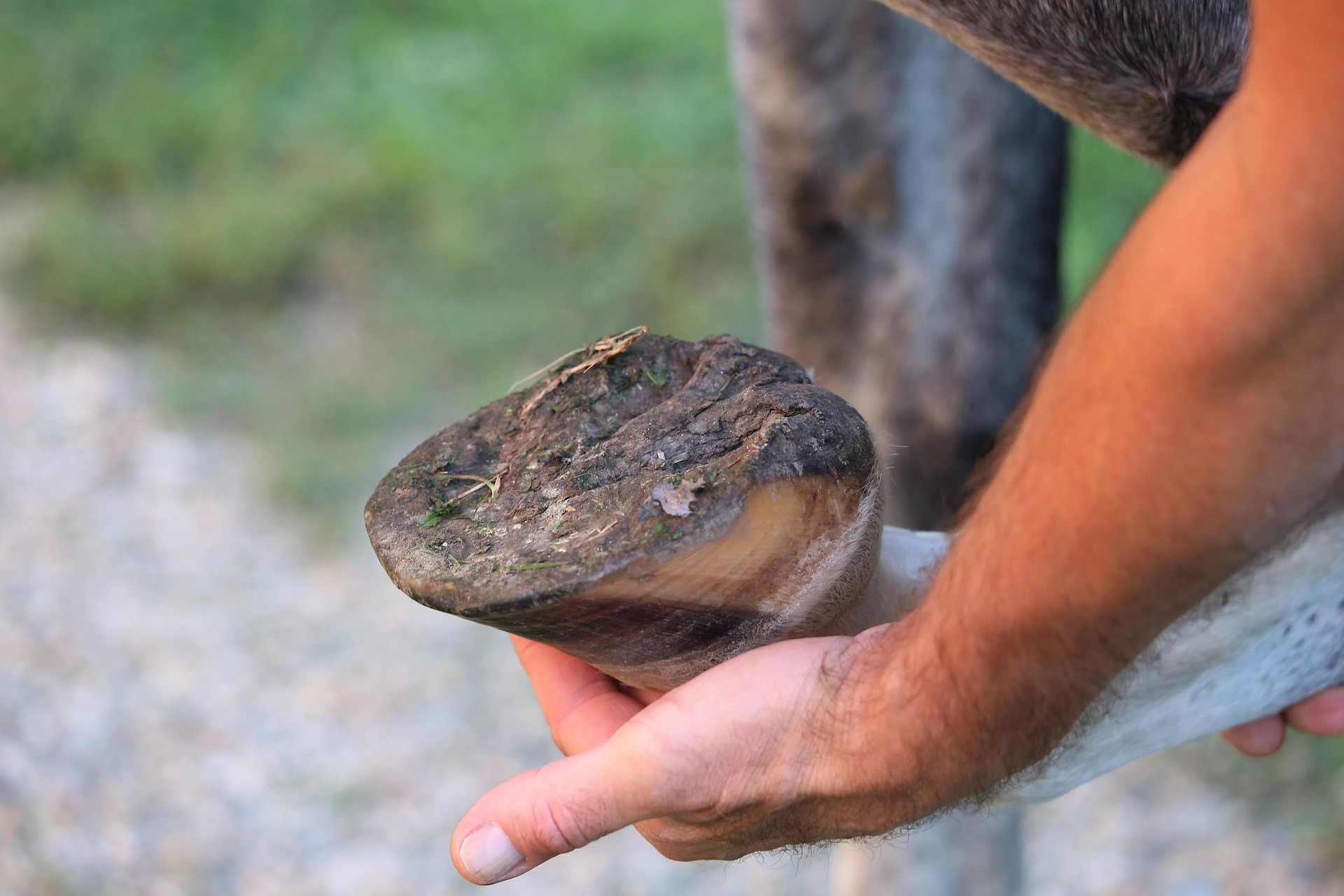
Winter hoof care for horses
Winter can mean some extra planning and care to keep your horse’s feet in their best condition. But if you manage him properly, you’ll be able to enjoy these fly-free months despite the ice and chill, and can help your horse put his best hoof forward come spring.
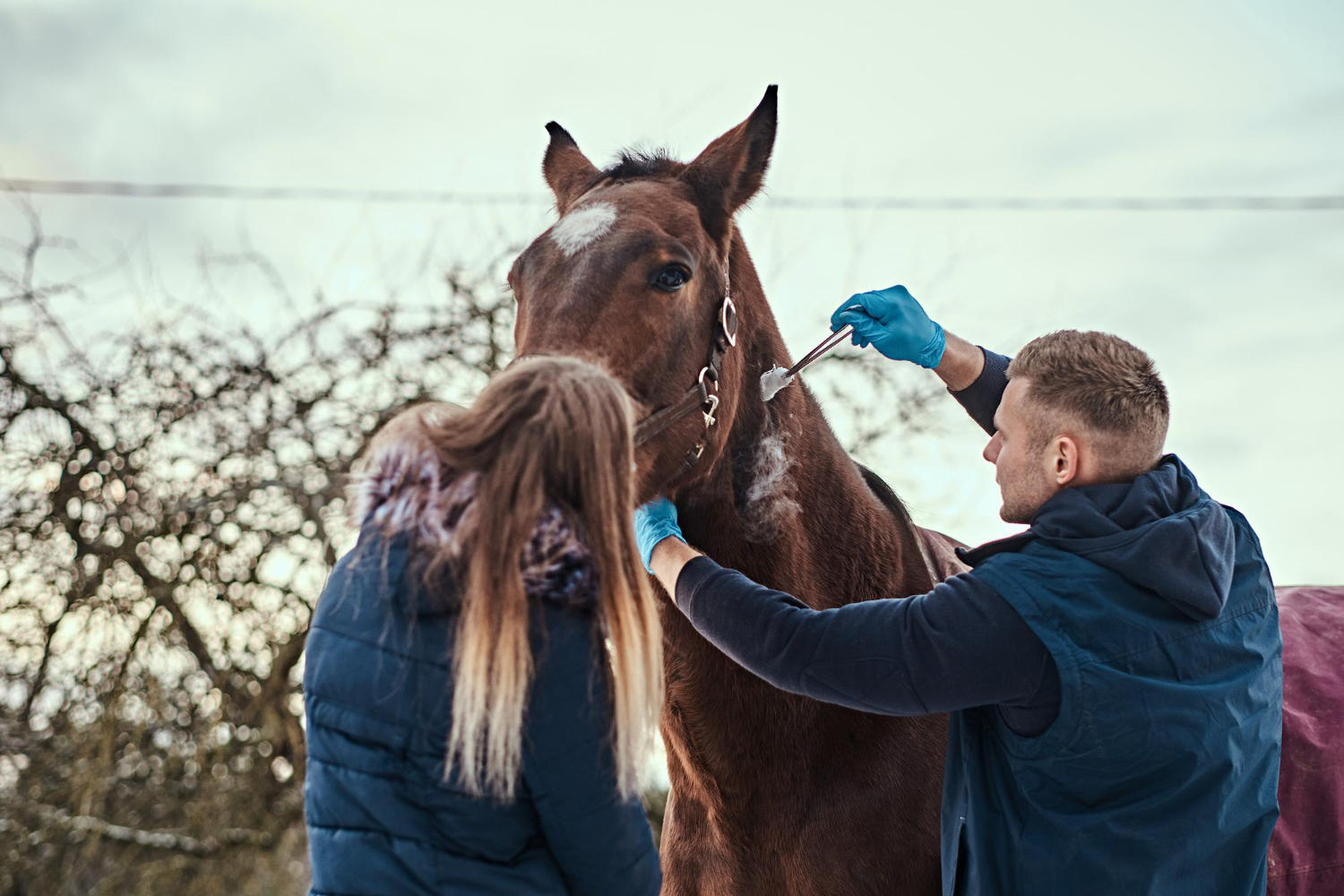
Horse first aid checklist
Use the horse first aid kit checklist curated by our Equine Field Service team to ensure you have all the essentials!
How to prevent colic in horses: Avoiding a pain in the side
Preventing colic in horses starts with understanding what causes equine colic, then making adjustments to your horse’s dietary routine, introducing probiotics and prebiotics, avoiding equine obesity and parasites, and keeping up with regular dental care.
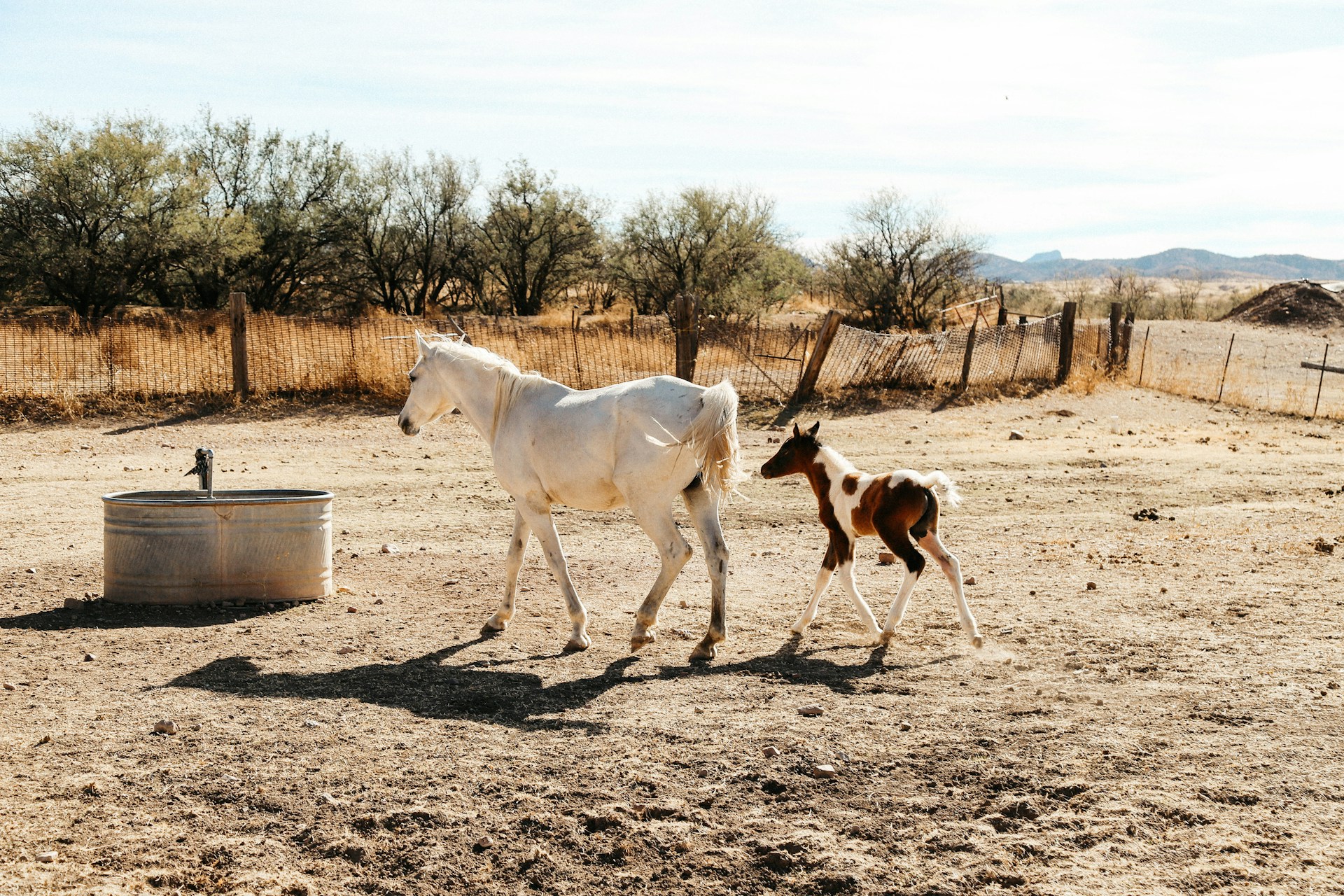
Foaling guide
Our foaling guide details how to foal out your mare at home: foaling supplies, signs of foaling, labor and delivery, and post-partum care.
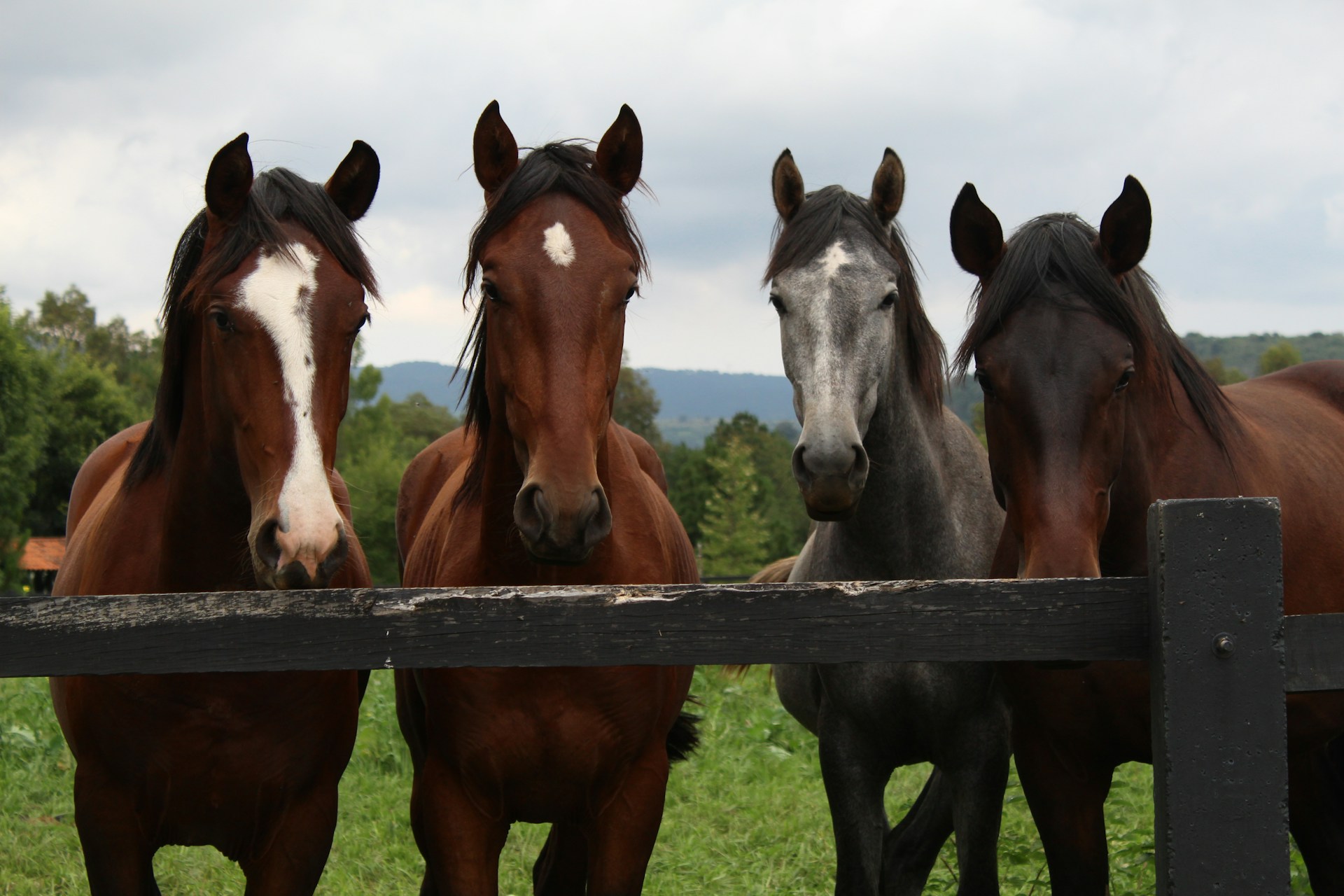
Equine vaccination guidelines
Guidelines for vaccinating foals and yearlings, broodmares and stallions, and pleasure and performance horses.
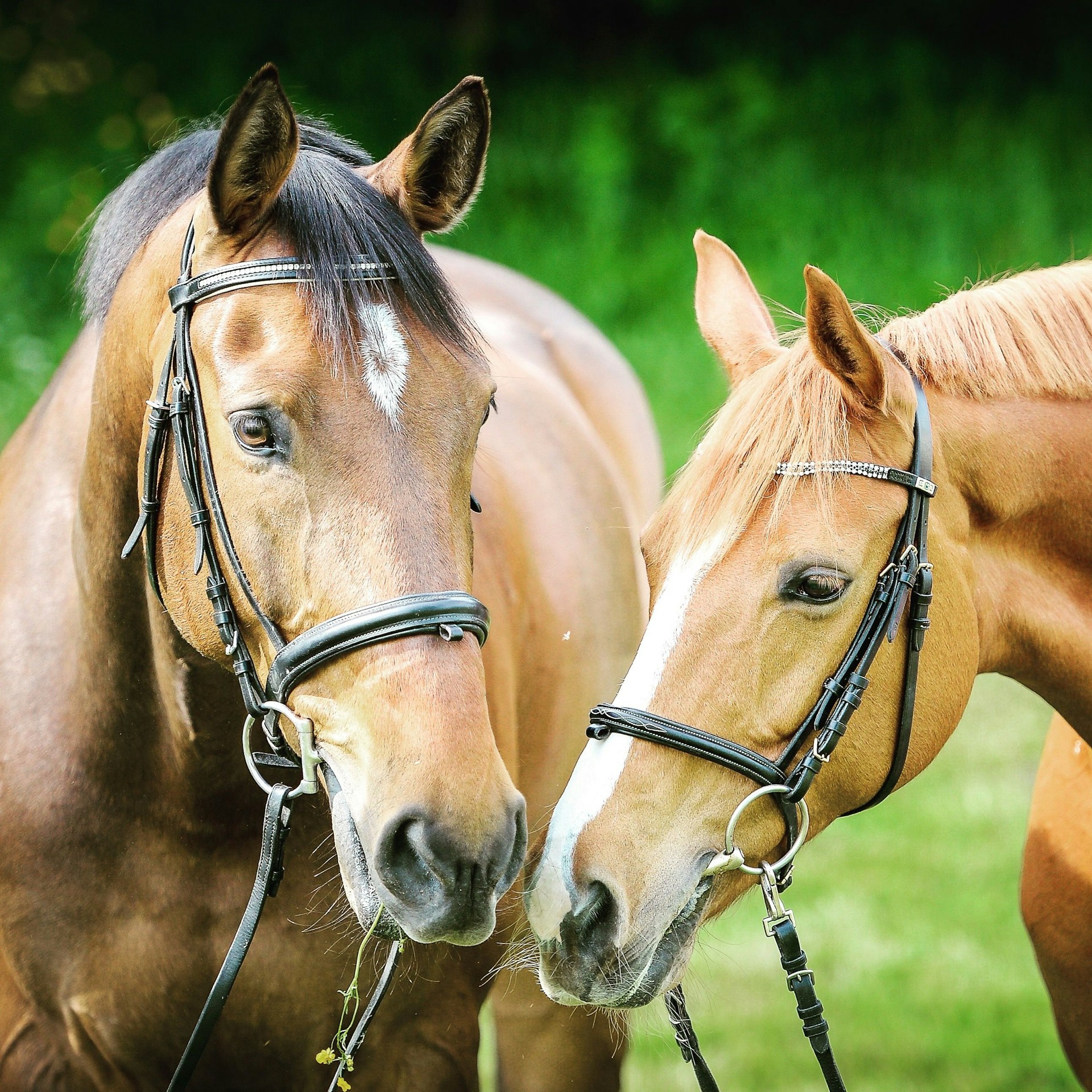
Colic in horses
Information for horse owners about identifying, treating, and preventing equine colic, the leading cause of premature death in horses.
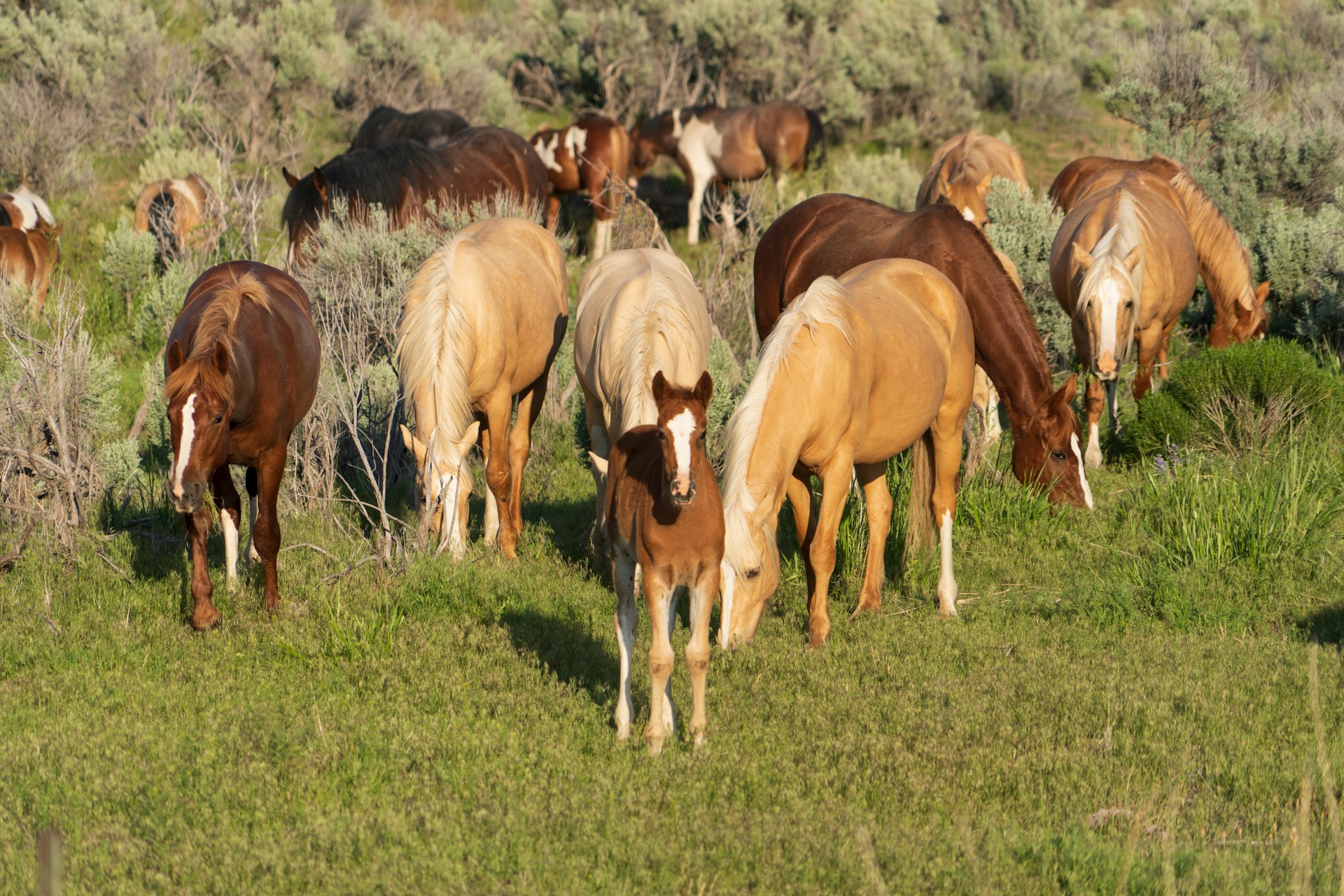
Equine recommended deworming schedule
All egg count thresholds given here are guideline and based on the range of counts typically generated by the McMaster technique. Adult horse schedule Low shedders (<200 eggs per gram of manure [EPG]) Moderate shedders (200-500 EPG) High shedders (>500 EPG) In general: Check treatment efficacy with fecal egg counts. The treatment recommendations made here […]